The Italian Wife

London explained by a very Italian villager adopted by a very multiethnic family

  • New Page
  • Blog
  • About
  • Contact
  • Subscribe by email
La casa di Mia

La casa di Mia

La casa di Mia

September 26, 2015 by Daria Simeone

"Home is where the heart is" dicono. Casa è dove hai lasciato il tuo cuore. Anche se io ho sempre sostenuto che Casa è anche dove puoi farti il caffè come lo vuoi.

Per 35 anni ho avuto una sola vera casa. In una città di provincia, con attorno un grande giardino dove giocavamo a pallavolo da piccoli (io facevo solo il bager perché non riuscivo a saltare in maniera coordinata), con alberi di nocciole con cui costruivamo capanne (costruivano gli altri bambini, ma io li guardavo e davo indicazioni decisive), con un balcone pieno di fiori da cui mia madre mi chiamava urlando sempre troppo forte (poi ho scoperto che io urlo più forte).

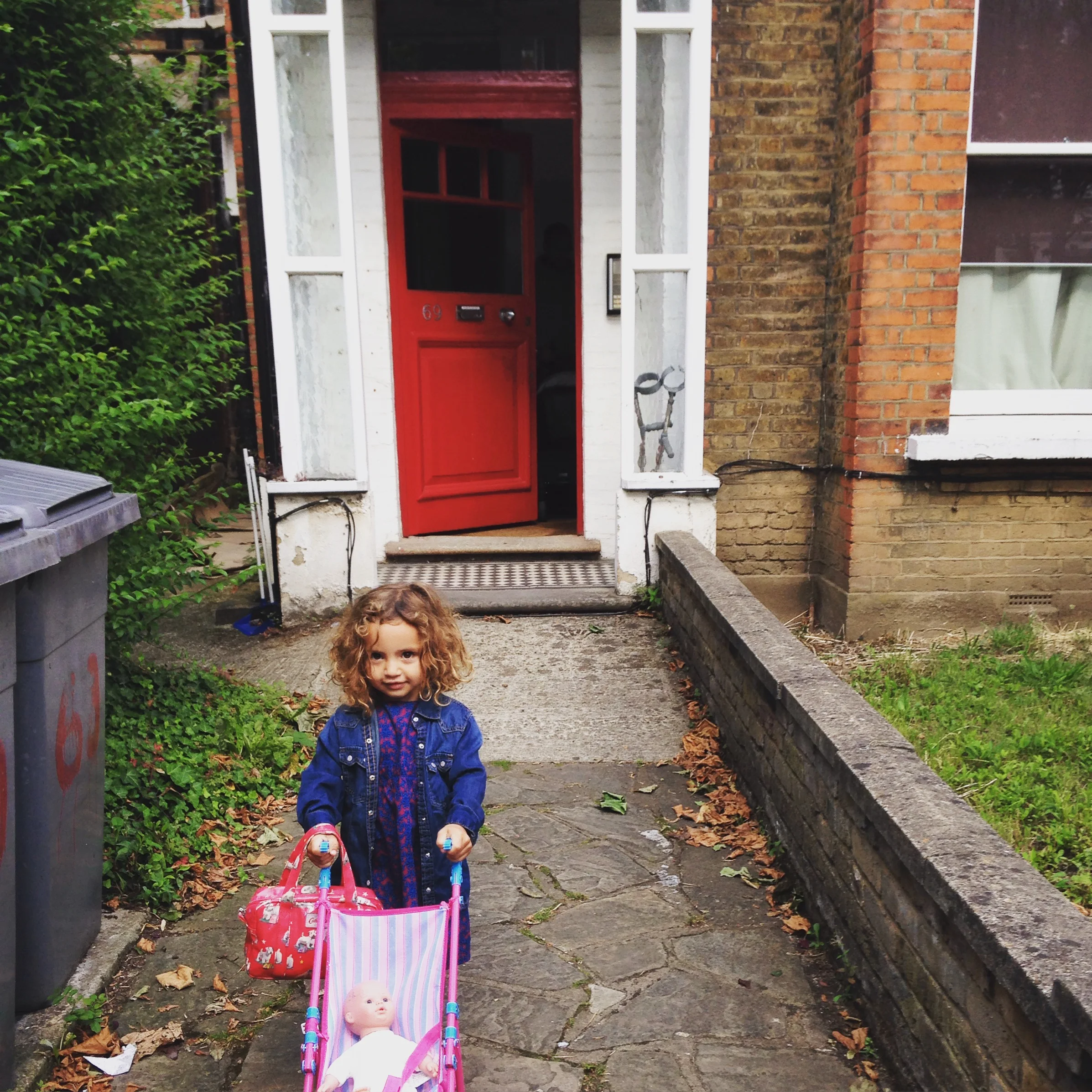
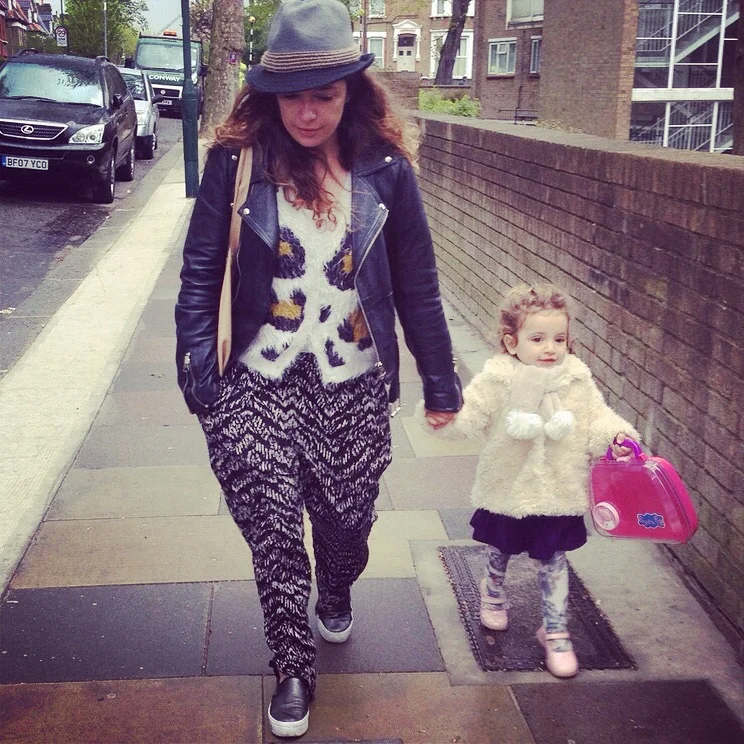
Tutte le altre case in cui ho vissuto, anche per tanti anni, sono state disordinate come quella di Siena, affollate come quella di Egham, inospitali come quella di Cosenza, labirintiche come quelle di Napoli, ordinatissime come quella di Cagliari, accoglienti come quelle di Milano. Ma mai le ho chiamate "casa" quando c'era da tornare a casa. Da quando sei nata tu, casa è dove viviamo insieme io, te e papà. Prima era un appartamento di Londra abbarbicato su due rampe di scale troppo ripide per il mio culo pesante. Ora è una casetta al piano terra con la porta rossa. La chiami Mia's House. Ogni volta che ti senti un po’ persa o vuoi dormire, inizi a ripetere “Mia’s House”, come se fosse il rifugio finale da tutto quello che non ti piace, il posto del tuo cuore.

Qualche giorno fa ti ho detto che ce ne andremo in un'altra casa per un po’, in una città col mare. Dove non fanno i barbecue anche sotto la pioggia, ma trovano sempre una scusa buona per festeggiare. Dove ci sono meno parchi, ma gli scivoli non sono freddi quando li tocchi. Dove all’asilo non ci sarà il tuo fidanzatino Harry, ma grazie a dio l’asilo costerà un decimo di quanto costa qui. Tu mi hai guardato e mi hai detto “Mia’s House” indicando il soffitto, ma forse oltre.
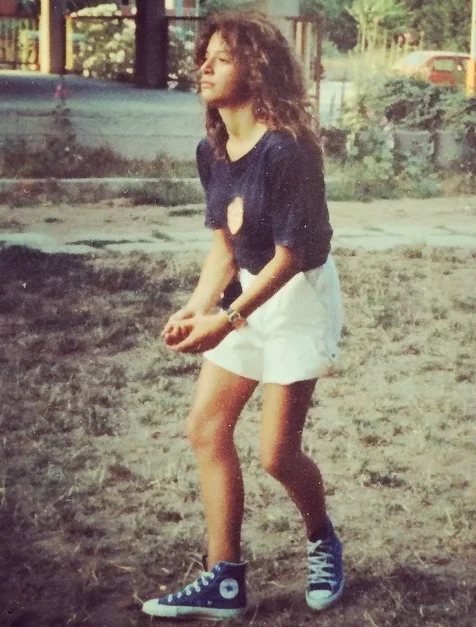
Io e il bager

Io e il bager

Lo so che ti mancherà il giardino pieno di bzzzzzz, la moquette su cui non ci si fa male quando si cade a testa a terra, so che ti mancherà il treno che passa alla fine del recinto. Ecco a me le api, la moquette e il treno non mi mancheranno, ma tutto il resto sì. Voglio solo dirti che presto capirai che il proverbio dovrebbe essere “Casa è OVUNQUE hai lasciato UN PEZZO DEL tuo cuore”. Quindi ce ne saranno tante anche per te.

E in ognuna, oltre a un pezzo del tuo cuore, lascerai gli amici, Rita, Lisa, Emma, Jojo, Lucas, Karim, Bianca, Elia, Stella, Olivia, Rosa. Ma li ritroverai. Perché non è una sottrazione, altrimenti io a furia di lasciare pezzi di cuore in giro non ne avrei più di cuore. È sempre un'addizione. Quei pezzi di cuore restano tuoi, sono amici che ti aspettano, a cui ne aggiungerai altri. Finché avrai un cuore grandissimo. “Okay - mi hai detto, come dici sempre quando non mi capisci davvero - Mia’s house is gone!”. Allora forse stavolta hai capito.

Ora ho bisogno che qualcuno scriva una lettera a me, per convincermi che andrà tutto bene e che basterà farmi un caffè per sentirmi di nuovo a casa._TIW


Mia's House
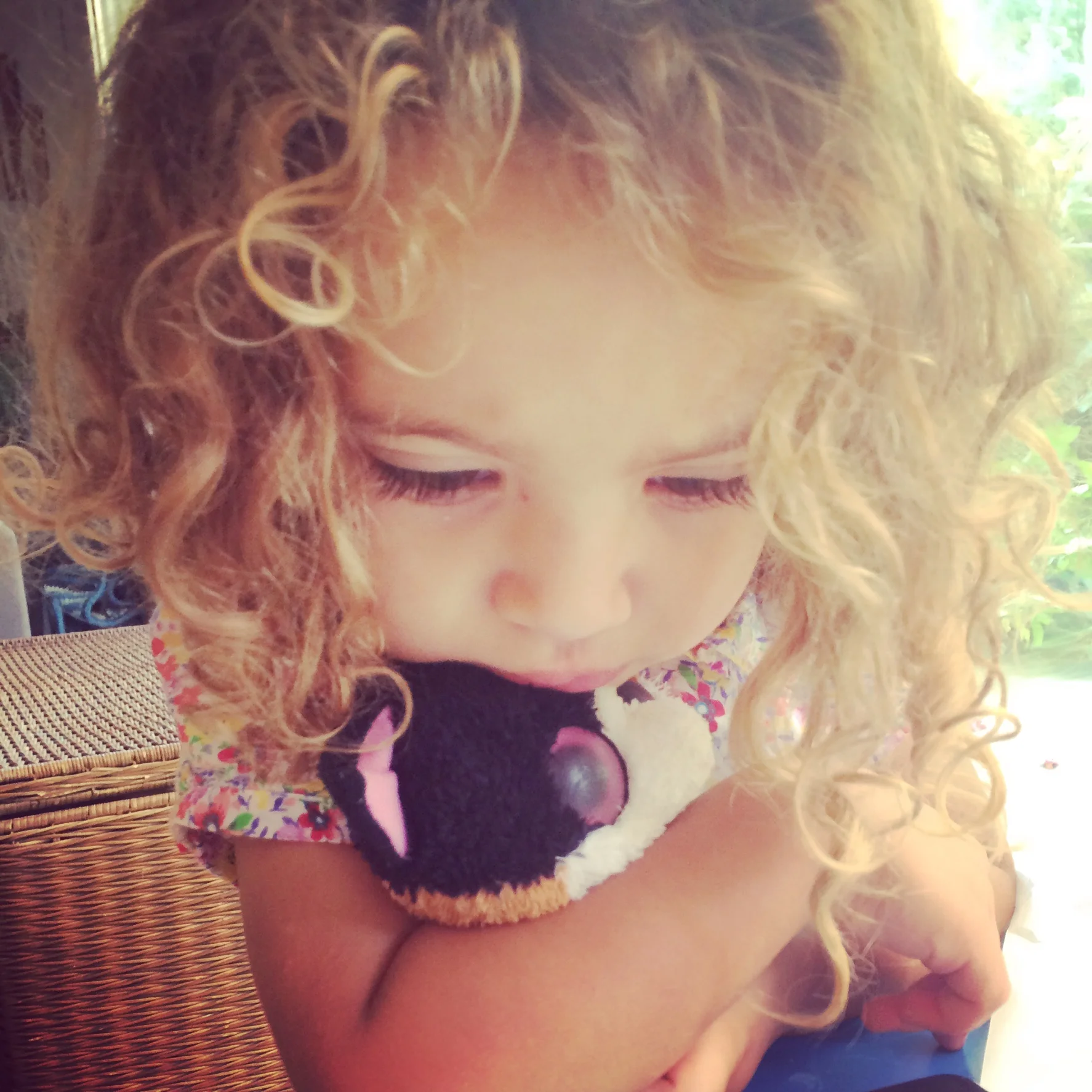
gatto

Home is where the heart is, they say. Although I have always said that Home is also where you can make your own coffee.

For 35 years I had only one real home. In a provincial town that always felt too small, surrounded by a large garden where we used to play volleyball when we were kids (I used to only bump the ball because I could not jump without looking clumsy), with hazelnut trees we used to built huts (the others built, I watched them closely while giving decisive instructions), with a balcony full of flowers from which my mother always called me by screaming too loud. All the other houses where I lived, for many years, were messy like the one in Siena, crowded like the one in Egham, inhospitable like Cosenza, labyrinth-like like those ones in Naples, very tidy like in Cagliari, welcoming like the ones in Milan. But I never called them “home” when I had to go back home. But since you were born, home is where we live together: me, you and Daddy. First it was a London apartment perched up two flights of stairs too steep for my heavy ass. Now it is a small flat on the ground floor with a red door. You call it “Mia's House”. Every time you feel a bit lost or want to sleep, you start to repeat "Mia's House", as if it were the final refuge from all that you do not like, the place of your heart.
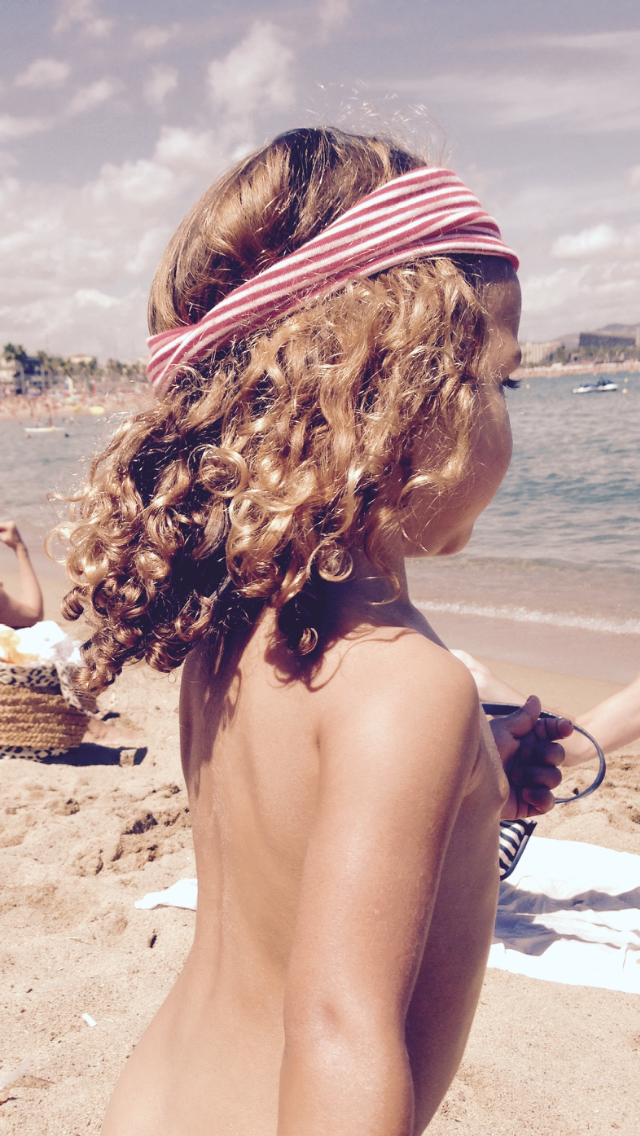
sea

A few days ago I told you that we will move to another house for a while, in a city on the sea. Where people don’t do bbqs in the rain, but they always find a good excuse to party. Where there are fewer parks, but the slides are not cold when you touch them. Where your boyfriend Harry will not be in the kindergarten, but it will cost a tenth of what it costs here thank god. You looked at me and you said "Mia's House" pointing to the ceiling, but perhaps beyond. I know that you will miss the garden full of bzzzzzz, the carpet on which you can’t hurt yourself when you fall down head first, I know you’ll miss the train passing at the end of the fence. Well, I won’t miss the bees, the carpet and the train, but I will miss everything else. I just want to tell you that you will soon understand that the saying should be "home is WHEREVER you left A PIECE OF your heart." So there will be plenty of homes for you too. And in each, together with a piece of your heart, you will leave your friends, Rita, Lisa, Emma, ojo, Lucas, Karim, Bianca, Elia, Stella, Olivia, Rosa. But you will find them again. Because it’s not a subtraction, otherwise I wouldn’t have any heart left. It is always an addition. Those pieces of heart will still be yours,  they are your friends that will wait for you, to which you will add more friends. Until you will have a huge heart. "Okay - you said, as you always say when you don’t really understand me - Mia's house is gone!". So maybe this time you did understand.

Now I need someone to write a letter to me, to convince me that everything will be ok and that I just need to make myself a coffee to feel at home again._TIW
September 26, 2015 /Daria Simeone
italian wife, moglie italiana, expats, italiani all'estero, moving, italian in london, londra, barcellona, moving house, moving country, trasloco, casa è dove hai lasciato il cuore, home is where the heart is
4 Comments


Walking to nursery

Walking to nursery

Via Nazionale, Londra.

September 10, 2015 by Daria Simeone

Ciao Daria.

Ciao Jane.

Spero che il cane non vi stia disturbando.

Ma che sei matta?

No, è che ci sono tre volpi che lo stanno facendo impazzire e abbaia. Pare che due siano cuccioli di volpe e che la notte vadano a saltare sul trampolino di Giovanna.

Jane e Giovanna sono le mie vicine di casa. Hanno lo stesso nome, ma una è inglesissima e bionda e l’altra è italianissima e mora. Hanno la stessa casa di tre piani, ma divisa diversamente, una alla mia destra, l’altra alla mia sinistra. Lo stesso giardino, con l’erba chiaramente più verde della mia. E tre figli maschi ciascuno, che passano dal mio giardino poco verde per giocare assieme e saltare sul trampolino di Giovanna, quando non ci saltano le volpi.

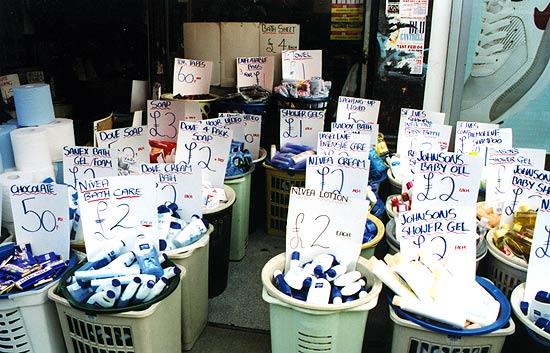
Io Giovanna e Jane siamo, in scala, una rappresentazione della popolazione di questa stradina di case basse che collega la radical chic Queen’s Park infestata da bonissime yummy mummies e irsuti hipster, alla super popolare Kilburn High Road – ribattezzata dai miei amici napoletani via Nazionale per via delle bancarelle di pezze, cianfrusaglie e cibo in scatola scaduto – dove se passa un hipster ne fanno carne da kebab. 
Sulla mia strada, in realtà, c’è anche Cecile che è francese, Jonathan che è israeliano con la moglie americana, c’è Mariam che è egiziana, c’è la mamma di Oren che è greca e ci sono tre scuole musulmane piene di bimbi somali. Ma c'è soprattutto una piccola Italia che mi ricorda ogni giorno da dove vengo.

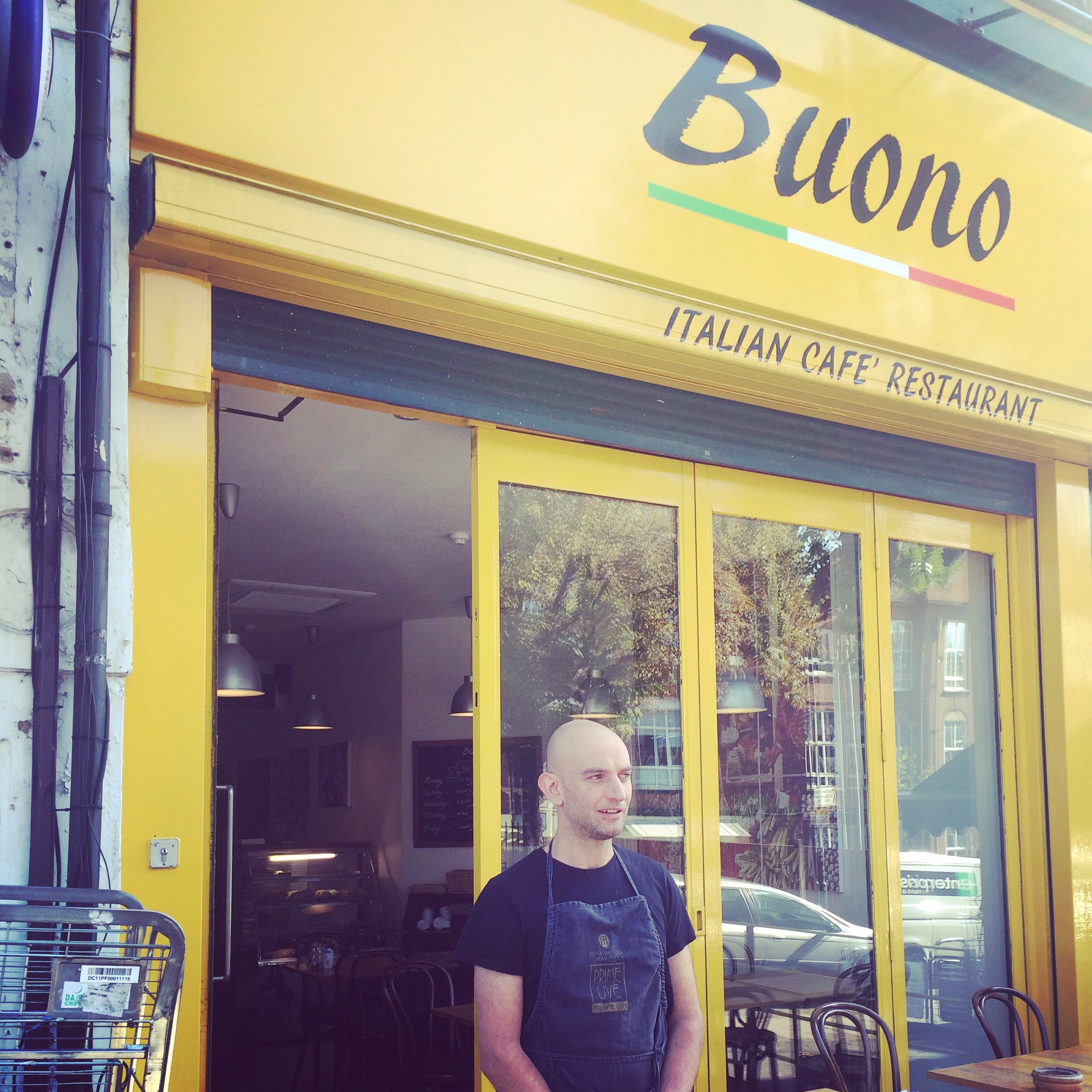
Quando esco la mattina ad accompagnare Mia all’asilo incontro Giusy, di Caserta, che va a lavoro da “Buono”, il bar italiano dove faccio colazione. Ha freddo anche ad agosto, e va in giro con la felpa col cappuccio, la sciarpa e i leggings. <Ma come fai a stare in pantaloncini e infradito? Sei in menopausa?/Sei pazza?/Non senti il vento che ci taglia la faccia?/Non soffri di cervicale?” mi dice alternativamente.

Poi incontro Giovanna, quella del trampolino, che sta potando le sue rose sull’ingresso di casa e di solito bestemmiamo insieme in casertano-avellinese perché i nuovi inquilini del piano sopra al mio non hanno ancora capito come fare la raccolta differenziata e ci appestano i bidoni della munnezza. Oppure perché loro sono giovani e fanno i party e noi che siamo vecchie li subiamo. <E comunque uno di loro è di Milano eh> ci ricordiamo con tono accusatorio.

Poi vedo Zadie (Smith) che pedala o corre per Brondesbury Park con uno dei suoi turbanti in testa. <Uè ciao Zadì>, che lei tanto parla italiano.

Al bar Buono i proprietari sono tre ragazzi, Francesco di Pomigliano d’Arco che è amico di un mio amico-fratello di Pomigliano d’Arco; Gianleo che è di Salerno e ha fatto un corso di diritto insieme a mia sorella Au ad Avellino, e Francesco di Bari, che è andato al liceo con la mia amica del cuore omonima e barese Daria. <Fatti offrire un caffè che sembri una disperata> mi ha detto stamattina. 

Alla cassa del supermercato Tesco a volte c’è Buddi che è dello Srilanka ma ha vissuto 8 anni a Roma e quindi parla come er Monnezza: <Aò aaai finito er potty training? Mi fijo c’ha 4 anni e ancora non ne vole sapé>. Nella lavanderia dall’altra parte della strada c’è Tony, che è albanese, ma parla l’italiano meglio di mia figlia e che mi dice sempre <Eh, ma questa macchia non lo so se riesco a levarla> proprio come tutti i lavandai italiani con cui ho litigato nella mia vita. 

All’asilo, un'ora dopo l'ingresso dei bambini non-italiani, ci trovo di solito Paco e Gianfranco, due Italian husband con cui ho creato il comitato dei genitori in ritardo, di cui andiamo abbastanza orgogliosi. Paco è di Napoli e ha una moglie ugandese, Caroline, che parla italiano e napoletano, Gianfranco di Milano con una moglie inglese <Oh ma tu che ci metti nel lunch box? Qui vedo che ci mettono tutti il sandwich, io ho fatto la pasta e patate. Avranno dei piatti in cui servirla?>. Questo è un campione delle nostre conversazioni.
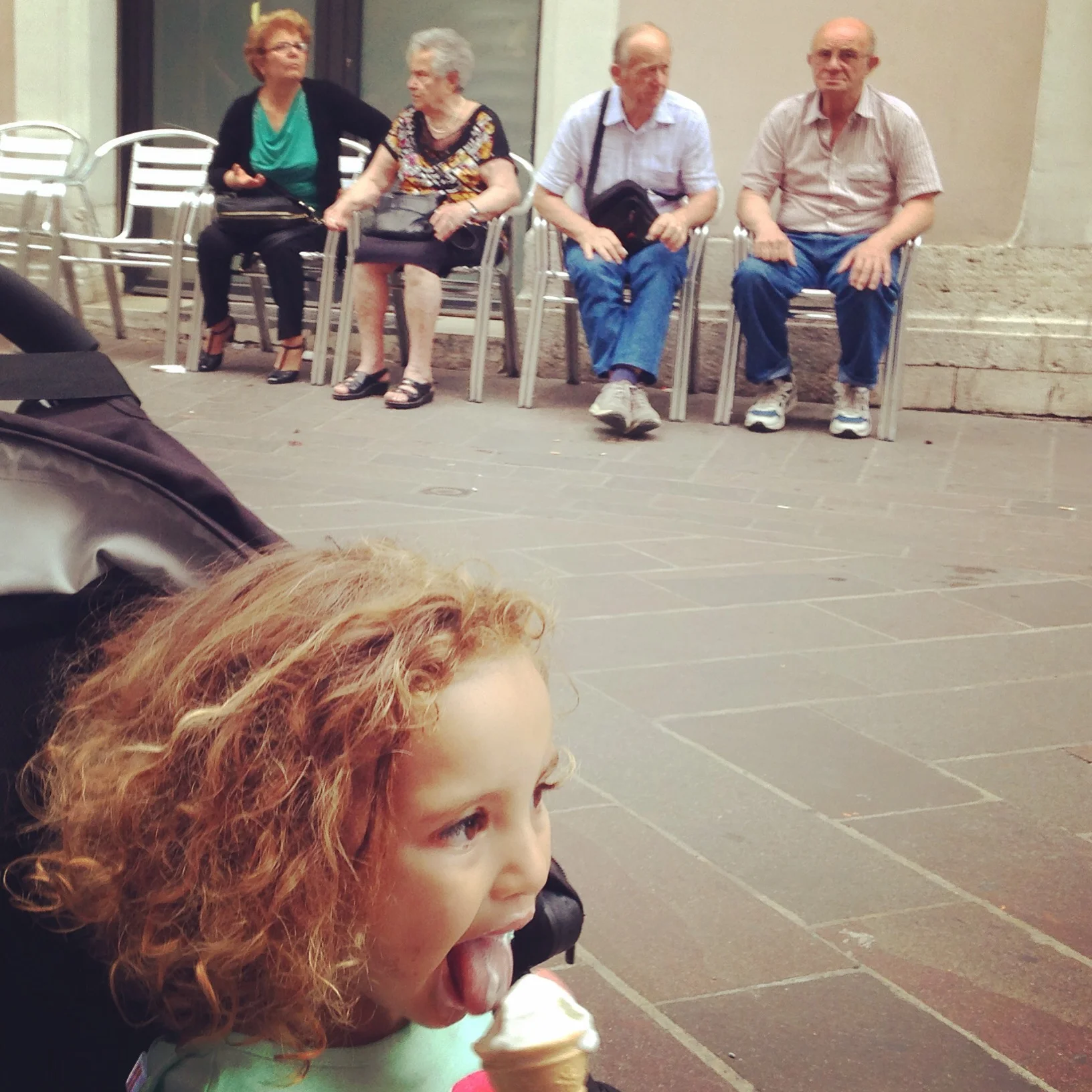
Insomma, certi giorni se non incontro la povera Jane col suo cane che abbaia, come è successo oggi, non sento parlare inglese fino alle 17.30, quando vado a riprendere mia figlia e mi chiede ICE SCREAM!!_TIW

Francesco from Bari

Francesco from Bari


Napoli road, in London

Front of a shop on Kilburn High Road

Front of a shop on Kilburn High Road

Hello Daria.

Hello Jane.

I hope the dog is not bothering you.

Are you crazy?

Oh good, it is just that there are three foxes that are driving her insane and she keeps barking at them. There are two baby foxes. Did you know they go jumping on Giovanna’s  trampoline at night?

Jane and Giovanna are my neighbours. They have the same name. One is very British and blonde and the other is very Italian and brunette. They have the same three-story house, divided in a different way, one on my right, the other to my left. The same garden, both with greener grass than mine, of course. And three sons each, who pass through my garden to play together and to jump on Giovanna’s trampoline when foxes are not jumping on it.

Me, Giovanna and Jane are, in scale, a representation of the population of this little street of low houses, that links the radical chic Queen's Park infested by hot yummy mummies and hairy hipsters, to the super popular Kilburn High Road - renamed by my Neapolitan friends as via Nazionale (a street in Naples) because of the street stalls, junk food shops and expired canned legumes - if an hipster were to passes by, he will probably become kebab meat.
On my road there is also Cecile who is French, Jonathan from Israel with his American wife, Mariam that is Egyptian, Oren’s mum that is Greek and there are three Muslim schools full of Somali children. But most importantly there is a little Italy that reminds me, every day, where I come from.

When I take Mia to nursery in the morning I meet Giusy which is from Caserta and works in Buono where I have breakfast. She is cold even in August, and goes around with the hoodie on, a scarf and leggings. “How can you be in shorts and flip-flops? Are you in menopause? Are you crazy? Can’t you feel the wind blaze cutting your face? Don't you suffer from cervical pain?" She says every time.

My road

My road

Then I meet Giovanna, who is pruning her roses in her front garden. We usually swear together, in a Caserta-Avellino dialect, at the new tenants on the floor above mine that have not yet figured out how to recycle and make our rubbish bins stink. Or maybe they (young) have just had a party and we (old) didn't cope very well with it . <One of them is from Milan uh> we remember accusingly.

Then I see Zadie (Smith) cycling or running around Brondesbury Park with one of her turbans on her head. <Uè ciao Zadi> it's ok, she speaks Italian.

Buono is owned by 3 Italian guys, Francesco from Pomigliano d'Arco, who is a friend of a dear friend from Pomigliano d'Arco; Gianleo that is from Salerno and attended a law class with my sister Au in Avellino, Francesco from Bari that went to high school with my friend Daria that I met in Milan: <Let me buy you a coffee, you look desperate> he told me this morning.

At the till, in Tesco, sometimes there is Buddi from Srilanka that has lived in Rome for 8 years  and speaks like er Monnezza (roman dialect): <Aò, have you finished potty training? My son is 4 and still doesn't get it>. The dry cleaner across the street is Tony's, who is Albanian but speaks Italian better than my daughter. <Well I cannot guarantee that this stain will be removed though> he always says like all the Italian dry cleaners I have argued with my whole life.

One hour after the non-Italian kids enter nursery, I usually meet Paco and Gianfranco at the gate, two Italian husbands with whom I created the committee of late parents . Paco is from Naples and has a Ugandan wife, Caroline, that speaks fluent Italian and neapolitan dialect, Gianfranco from Milan with an English wife: <Listen, what the hell do you put in the lunch box? I noticed that here everybody puts sandwiches. I made pasta with potatoes, do you think they will have dishes to serve it?> This is a sample of our conversations.

Well, some days if I don't meet poor Jane with her barking dog, I do not get to speak English until 5:30pm, when I go to pick up my daughter and she says: ICE SCREAM!!_TIW


September 10, 2015 /Daria Simeone
italian wife, italian in london, italiani a londra, buono café, queen's Park, Kilburn, little italy, italia, nursery, weather, cervical
2 Comments


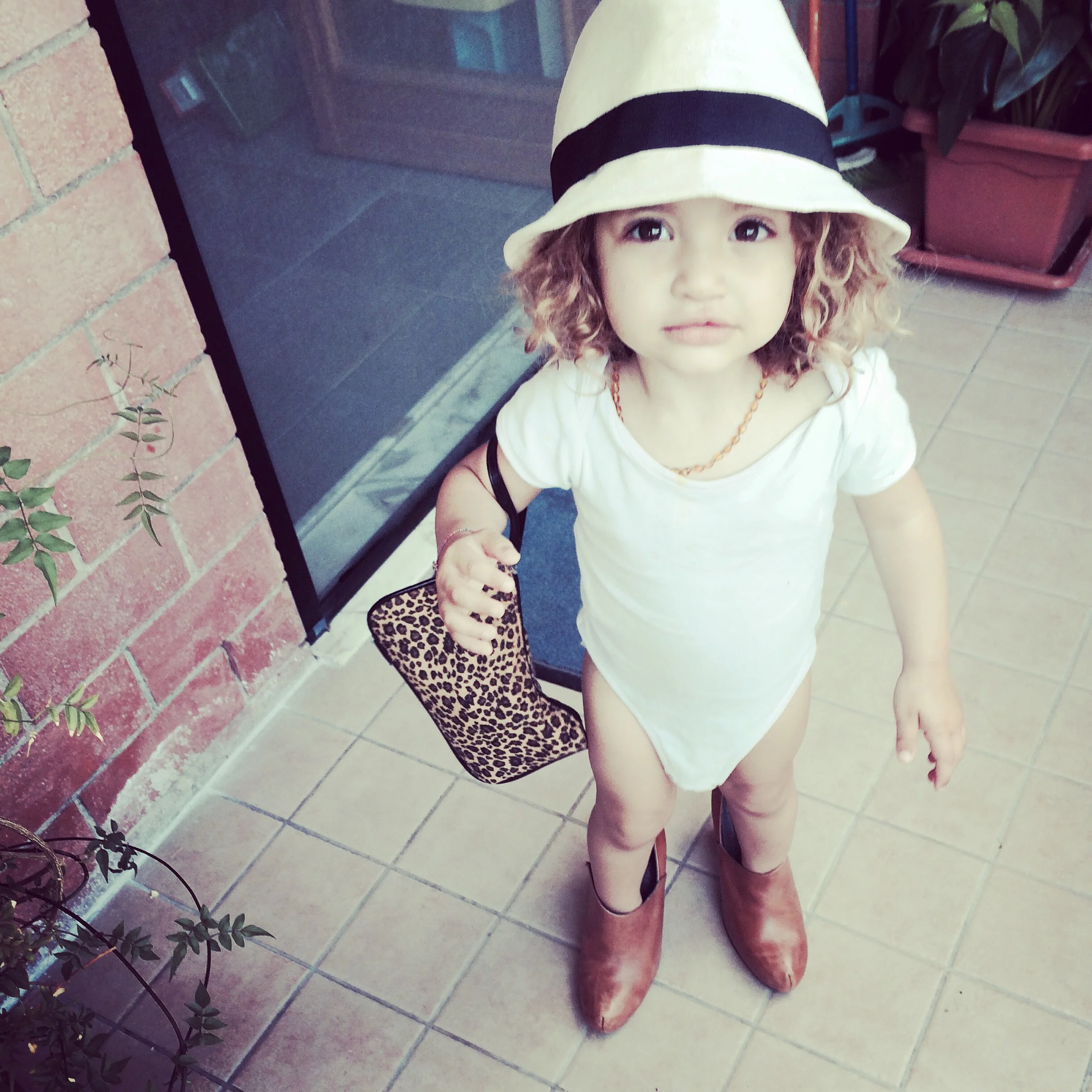
Mia in her auntie's boots

Mia in her auntie's boots

Ora che sai metterti le scarpe da sola (storte), tocca a te

August 21, 2015 by Daria Simeone

Qualche settimana fa ero in coda al bagno di un ristorante qui a Londra. Davanti a me una signora affascinante, una di quelle che mi piacerebbe essere a 50 anni, a parte il capello lungo fino a metà schiena che non perdonerei neanche a Beyoncé 50enne. Dal bagno esce una quasi ventenne per niente affascinante e le dice, col tono apocalittico di Guccini in Noi non ci saremo: <Oddio mamma, avevo portato in borsa un rotolo di carta igienica apposta! E indovina? Mi sono pulita con la carta igienica che era nel bagno!>. E sticazzi? Avrei risposto io 50enne. La mamma invece è rimasta zitta guardandomi con lo sguardo "giuro, non so perché mi sia uscita così, io ce l'ho messa tutta". Che è un po' lo sguardo di mia madre quando parla di un libro e mi fa: l'hai letto no? O lo ha letto tua sorella? E io le rispondo sempre: mia sorella. 

Insomma prima di diventare mamma notavo le coppie scoppiate: Come fa quel figo a stare con quella cessa? E viceversa. Ora noto i figli scoppiati, ovvero che non c'entrano un cazzo coi loro genitori. Come mia figlia, che vuole mettersi sempre il pigiama, nonostante sua zia le abbia comprato un guardaroba che io a 37 anni posso solo sognare.
Cosa c'entri tu, bambina sempre in pigiama, con me che non metto il pigiama neanche per andare a dormire? Cosa c'entri tu che ti sei già guadagnata il soprannome "la terrorista" con me che da piccola ero così buona che mi dicevano che ero nata vecchia? Cosa c'entri con me che sorrido a tutti, tu che ti rifiuti di baciare i grandi? Cosa c'entri tu che mangi le costolette di agnello fino all'osso, con me che lascio sempre tutta la carne vicino? Cosa c'entri tu che sei prepotente con gli altri bambini, con me che se lo fossi stata un po' di più nella vita, male non sarebbe stato? Cosa c'entri tu che ti arrampichi dappertutto urlando "monkeyyyyy" con me che ero soprannominata "prudentina"? 

Niente, forse non c'entri niente. Perché, come scriveva Kahlil Gibran "I vostri figli non sono figli vostri... Dimorano con voi, tuttavia non vi appartengono. Potete dar loro il vostro amore, ma non le vostre idee. Potete dare una casa al loro corpo, ma non alla loro anima, perché la loro anima abita la casa dell'avvenire che voi non potete visitare nemmeno nei vostri sogni".
E così mentre cerco in mia figlia somiglianze e appartenenza, trovo differenze e indipendenza. Ancora di più ora che Mia ha iniziato a mettersi le scarpe da sola (storte), a scegliersi i vestiti da sola (i pigiami), a fare pipì da sola nel vasino (solo una volta al giorno, noi siamo per l'approccio graduale). Ora che non mi lascia più fare tutto, ora che inizia a tenersi delle cose per sé. "Stay mummy, stay" mi dice se provo a intervenire. "Ah mà, e mollami" tradotto. Ora che dice "My turn", "Tocca a me" e fa le cose a modo suo. Ora che ha la possibilità (e il diritto) anche di sbagliare.

Quindi, ex palletta di lardo che sei diventata una bimba muscolosa con la schiena liscissima, mi sa proprio che la nostra simbiosi è finita. L'ho maledetta, l'ho amata, non la dimenticherò mai. E ora tocca a te, sorprendimi, fammi anche un po' vergognare come la mamma del bagno se ce n'è bisogno. Fino ad ora quello che sei diventata mi piace un sacco._TIW

Now that you can put your shoes on (on the wrong foot), it's your turn 

Mia in pigiama

Mia in pigiama

A few weeks ago I was queuing for the toilet in a restaurant here in London. In front of me stood a charming lady, one that I'd like to look like when I'm 50 years old, apart from having hair down to the middle of her back, something I would not even forgive a 50 year old Beyoncé for. A twentyish year old girl comes out of the toilet and announces, with the apocalyptic tone of Thom Yorke in Idioteque: "Oh mom, I put a roll of toilet paper in my bag! And guess what? I used the toilet paper that was in there!". "Who gives a shit" my 50 years old self would have answered. Her mother however, remained silent and gave me a stuttering "I swear I do not know why she came out with that, I've tried my best with her!" look. It was a bit like the gaze my mother gives me when she talks about a book and says: you read it right? Or did your sister read it? And I always answer: my sister.

Before becoming a mother I used to notice unlikely couples: How can that hottie be with that troff? Now I notice unlikely children. Children that have nothing in common with their parents. Like my daughter, who always wants to put on her pyjamas whenever we go out, despite her auntie having bought her a wardrobe the likes of which I have not managed to put together in 37 years. What do you, little girl always in pyjamas, have in common with me that has never worn pyjamas, not even to sleep in? You that have already earned the nickname "the terrorist" while as a child I was so good that people used to say that I was born old? What do you share with me if I smile at everyone, while you refuse to kiss the adults? You that devour lamb chops till the bone, where as I am always told "you have left more meat on that bone that you have eaten!"? You that bully other children, while if I had been a bit 'more overbearing in life, it would've not be bad? What do you share with me if you hang off bars on the underground while screaming "monkeyyyyy", when my nickname was "prudence"?

Nothing, or we might share very little. Because as Kahlil Gibran wrote: "Your children are not your children... And though they are with you yet they belong not to you. You may give them your love but not your thoughts. You may house their bodies but not their souls, for their souls dwell in the house of tomorrow, which you cannot visit, not even in your dreams".
So while I look for similarities and belonging in my daughter, I find differences and independence. Even more now that Mia puts her own shoes on (on the wrong feet - on purpose), chooses clothes (pyjamas) by herself, wees in the potty by herself (only once a day, we are for the "gradual" approach). Now that she won't let me do everything, now that she begins to keep things to herself. "Stay mummy, stay" she tells me if I try to intervene. Now that she says "My turn" and does things in her own way. Now that she has the chance (and the right) to make mistakes.

So, my once fat little ball now muscly little girl with the smoothest back, here we go. I think our symbiosis is over. I hated it, I loved it, I will never forget it. Now it's your turn, surprise me, make me feel a bit ashamed like that mother at the toilet did if you need to. For now I love all that you have become._TIW

August 21, 2015 /Daria Simeone
maternità, motherhood, italian wife, crescere, growing up, toddler, terrible twos, 2enni, figli, children
4 Comments


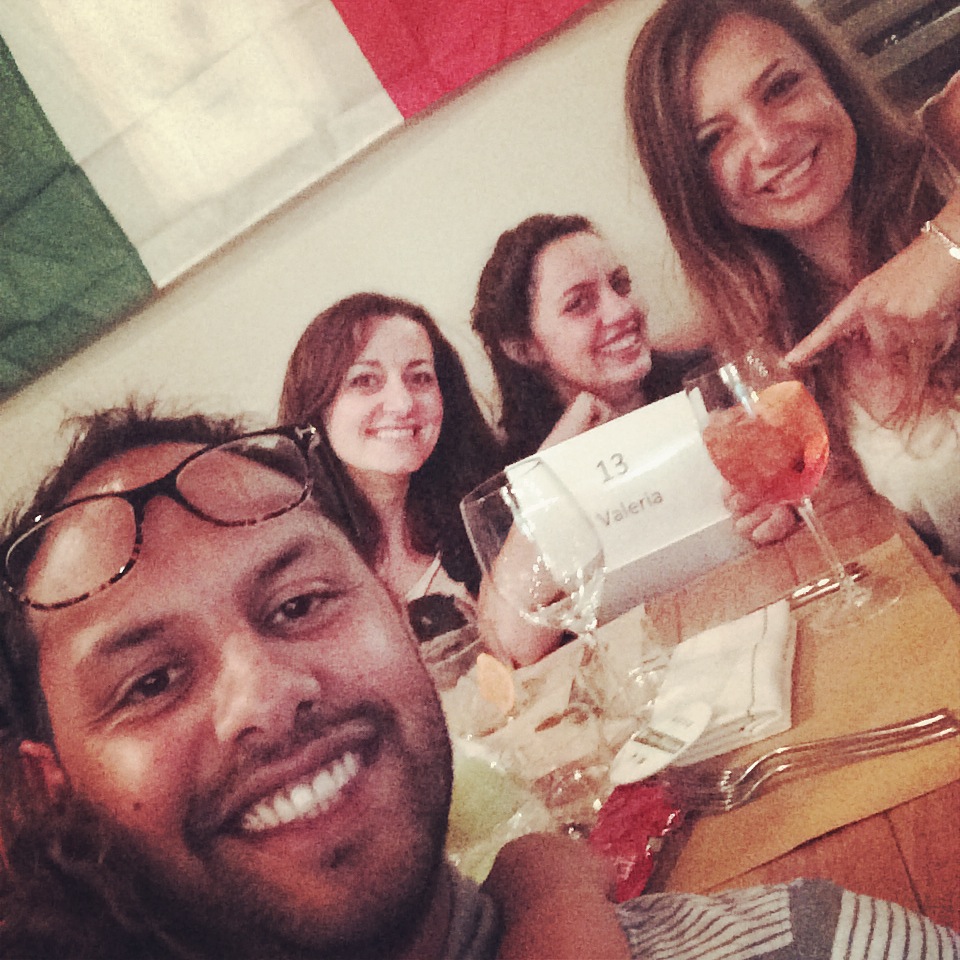
Spritz aspettando la partita dell'Italia ai Mondiali del 2014 in un bar di Londra

Spritz aspettando la partita dell'Italia ai Mondiali del 2014 in un bar di Londra

Solo gli Italiani (che vivono in Italia) possono parlar male dell'Italia

August 09, 2015 by Daria Simeone

Una mia amica del cuore qualche tempo fa sosteneva che i rosiconi sono la peggiore specie. Seguita dai permalosi. Io le confessavo di essere molto permalosa e un po' rosicona. Per fortuna mi vuole bene e resterà mia amica. Dal basso della mia permalosità capisco i tanti italiani che diventano permalosi - e un po' rosiconi - quando ci toccano la Madreh Patriah.

L'ultima volta è capitato ieri sera. Ero su la Rambla del Poblenou a Barcellona in compagnia di amici e mendicanti. Una processione niente male, alcuni chiedevano 50 centesimi e portavano delle scarpe da ginnastica migliori delle mie. Comunque, siamo finiti a parlare di senzatetto. Notavo quanti ce ne fossero a Barcellona, ma anche a Roma e Milano. "Ah beh a Londra non ce ne sono perché con quel tempo di merda morirebbero di reumatismi" mi ha risposto prontamente un compatriota, prima ancora che tirassi in ballo la città in cui vivo. 

Così come i cani randagi che secondo un mio collega italiano non esistono in Inghilterra perché finiscono tritati nel Christmas pudding. Oppure quando si parla dei negozi che, dove sono nata io, non fanno orario continuato "perché da noi tra le 13 e le 17 fa caldo, se esci per andare in un negozio ti dissolvi al sole come un lemonissimo". E d'inverno? "Beh perché gli inglesi pensano solo a fare soldi, noi vogliamo pranzare tutti assieme come una vera famiglia che ha un tavolo su cui mangiare, mica come quei disadattati inglesi che mangiano sui divani". 

E la Svezia che ha i latte papas che possono prendersi un congedo di paternità proprio come le madri? "E sticazzi, tanto poi si suicidano tutti da quelle parti". 

Un'altra cosa tipica è: "E comunque che palle 'sti expat che parlano male dell'Italia come se avessero trovato la terra promessa: bravi, restatevene pure lì".  

Oppure: "Qui si cerca di mettere l'Italia in cattiva luce per screditare Renzi".  

Italiani permalosi (come me), una cosa: MA CHI SE NE FOTTE DI RENZI.  

Anzi due: non è che il congedo di paternità, in Inghilterra o in Svezia, l'ho ottenuto io dopo estenuanti lotte e proteste in piazza. Non è un mio merito di cui mi posso vantare. E'un esempio, un buon esempio, a cui non farebbe male guardare. Ciò non toglie che ci sono cose del Regno Unito che mi hanno indignato, a parte il tempo di merda intendo. Come il potere quasi mafioso degli agenti immobiliari, la regolamentazione del mercato del lavoro così liberale da essere spesso crudele. Su tante cose potremmo vantarci di essere migliori, ma non faremmo altro che il "gallo 'ncoppa 'a munnezza", tradotto: non possiamo usare le debolezze altrui per distrarre l'attenzione dalle nostre.  

Gli expat, poi, non è che smettono di essere italiani solo perché vivono altrove. Non sono alieni, non appartengono ad un'altra categoria umana. Non raccontano i cazzi loro per screditare Renzi (chi?) o l'Italia. L'Italia sono anche loro. E soprattutto, statene pur certi, quando c'è da difendere l'Italia dagli "attacchi dello Straniero" sono i primi a farlo. 

a) perché solo gli italiani hanno il diritto di parlare male dell'Italia, non ci allarghiamo.

b) perché sono permalosi, proprio uguali uguali a voi. 

c) perché per molti di loro la terra promessa è ancora l'Italia._TIW

Italy is messed up, but only Italians (that live in Italy) can say that

A very good friend of mine, some time ago, was saying that grudging people are the worst, followed by touchy people. I confessed then that I am very touchy and just a bit grudging. She loves me so much that she will see passed that and stay my friend.

From the bottom of my touchiness I understand the many Italians that get touchy - and a bit grudging - every time somebody attacks their darling Homeland. 

Last night I was on the Rambla del Poblenou in Barcelona with some friends and lots of beggars. Some of them were wearing better trainers than mine. Anyway, we started talking about the homeless, and I noticed how many there are in Barcelona, but also Rome and Milan. "Well in London there aren't as many because they would die from rheumatism in that shitty weather!" promptly replied a compatriot before I even mentioned the city I live in. 

Same for wild dogs, an Italian colleague of mine says that there are no wild dogs in Uk because they end up minced in the Christmas Pudding. And in reference to the shops that, in many Italian cities, close between 1.30pm and 4.30pm "it's too hot at that time in our country, you would melt in the sun like an ice lolly!". How about in winter? "Well British people are all about money, while we care about family more and want to have lunch together around a proper dining table, not like lunatic Brits that eat on a sofa!".

Swedish latte papas that can take paternity leave as long as mothers? "Screw that, they all commit suicide over there".

Another typical statement is: "Enough of these Italian expats that say bad things about Italy as if they have found the promise land somewhere else: good for you, stay there!".

Or also: "They say bad things about Italy to discredit Renzi".

Touchy Italians, listen to this: WHO CARES ABOUT RENZI.

Oh and also: If Sweden and the Uk have an amazingly long paternity leave is not because I fought for it, it's not thanks to me. It's just an example, a good example we could learn from. Nevertheless there are things in the Uk that shocked me, besides the "shitty" weather I mean. Like the dangerous power given to estate agents, or the liberal working market rules that are sometimes cruel. There are many things we could say we are better at, but to what end? We can't use others' weaknesses to distract ourselves from our problems. 

Also, expats are not less Italian just because they live somewhere else. They are not aliens, they don't belong to a different human category. They don't tell you about their lives to discredit Renzi or Italy. Because they are Italy too. And be sure that when there is a chance to take Italy's side against a stranger, they will be the first to do so. Because:

terra promessa

A) Only Italians have the right to criticise Italy, others beware.

B) They are touchy when it comes to their homeland, just like you.

C) For many of them the promised land is still Italy._TIW

August 09, 2015 /Daria Simeone
italiani all'estero, londra, italian wife, expats, italian in london, homeland, renzi, patria
1 Comment


image.jpg

Tutte avremmo bisogno di uno svedese (che faccia il padre)

July 28, 2015 by Daria Simeone

Mentre scrivo qui a Londra è praticamente novembre. Sotto la pioggia e con 13 gradi si incontrano ben poche persone abbronzate, e quando le incontri le invidi inevitabilmente. "Dove sei stata, a Formentera eh? Maldive? Ponza? Salina? Olbia?"
“Sono stata a Perugia al concorso della Rai – mi ha risposto una - e il sole era così forte che solo ad aspettare che il test iniziasse mi sono abbronzata”.
Ah, ok.
“Sono stata a un matrimonio in Svezia – mi ha detto un’altra - e il tempo era bellissimo, siamo stati persino in spiaggia”.
C-O-S-A?! Ma in Svezia non nevica 10 mesi all’anno? In spiaggia col clima subpolare?

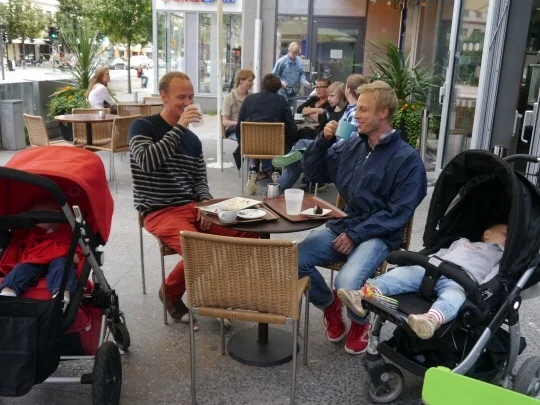
A quanto pare persino in Svezia è estate, almeno per qualche giorno. Ciò appreso, è crollata l’ultima remora che mi tratteneva dal trasferirmi nella patria dei “latte papas”, anche detti lattepappors. In Italia, se esistessero, li chiameremmo casalinghi. In Inghilterra stay-at-home-dads, i padri-che-stanno-a-casa. Il primo fa pensare a detersivi e spugnette, il secondo a mariti depressi, a casa tutto il giorno col grembiule addosso ad aspettare che le mogli rientrino per raccontare loro cosa succede nel mondo che va avanti senza di loro. Invece gli svedesi, che notoriamente non sono campioni nel nominare i mobili dell’Ikea, hanno dato il nome giusto almeno a questi padri che, durante il loro (lunghissimo) congedo di paternità, si incontrano al bar con i pupi attaccati al collo come sciarpe sorseggiando un bicchiere di latte-macchiato. Ed ecco che fare il “latte papa” diventa subito glamour. Certo nessuno si è mai sforzato di trovare una definizione glamour anche per noi donne in maternità, ma va detto che quello che succede in Svezia va al di là di qualunque definizione glamour ed è abbastanza speciale.

  • La Svezia, tanto per cominciare, è al quarto posto nel Global Gender Gap Index 2014 che misura l’uguaglianza dei sessi in tutti i Paesi. Da italiana abituata al momento-vergogna ogni volta che scorro questo genere di classifiche cercando l’Italia, nessuna sorpresa a trovarla 69esima. Il Regno Unito è al 26esimo. Ai primi tre posti Islanda, Finlandia e Norvegia.
  • In Svezia 13 ministri su 24 sono donne. E nessun giornale perde tempo a parlare di come si vestono (e non perché non siano fighe quanto la Boschi).
  • Ai genitori vengono dati 16 mesi di maternità da dividersi a piacere (purché ognuno faccia un minimo di 60 giorni). 390 di questi giorni sono pagati all’80%.
  • Le spese per l’assistenza all’infanzia sono quasi totalmente a carico dello Stato e il massimo che una famiglia può arrivare a spendere è il 3% del proprio reddito. In media, per un bambino, una famiglia non spende più di 150 euro al mese, gli asili sono aperti tutto il giorno e la notte, per i genitori che fanno i turni.
  • L’educazione, università inclusa, è gratuita.
  • Ad aprile la Swedish Academy (che promuove la lingua svedese) ha introdotto un nuovo pronome neutro, “hen” in modo da poter evitare di usare “han” o “hon” – lui e lei – in situazioni in cui non c’è bisogno di specificare il genere. 
  • Le tasse arrivano al 56,6% e nessuno se ne lamenta perché, tutto sommato, considerando quello che ricevono in cambio dallo Stato è un ottimo affare.
image.jpg

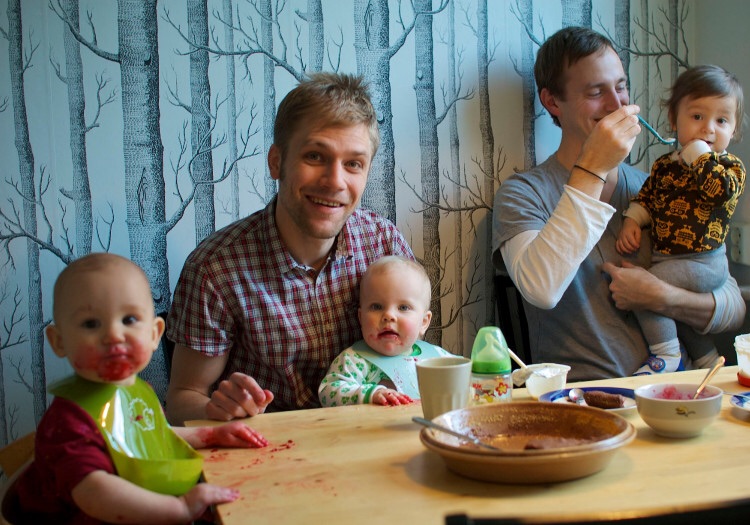
E’ per questo che i latte papas non sono una moda, né un esperimento. Sono una realtà. Sono padri a cui lo Stato dà una possibilità, quella di scoprire quanto sia tosta prendersi cura di un figlio che non ha pietà di loro quando sono stanchi o hanno la man-flu, e che non capisce perché non si possa giocare, cucinare e disegnare contemporaneamente. Un giornalista inglese che ha fatto il latte papa a Malmo per 6 mesi ci voleva scrivere un libro, ma in quei mesi è riuscito a stento scrivere una riga. Ai latte papas, però, viene data soprattutto la possibilità di provarci. Di provare a preparare la cena facendo pernacchie, far volare un aeroplano in soggiorno e ballare il valzer in corridoio con il loro bimbo, tutto contemporaneamente. E guai a chi dice che stanno provando a fare le mamme: stanno provando a fare proprio i papà. 

In Italia, con un solo giorno di congedo parentale obbligatorio e due facoltativi, la strada per avere dei “caffè espresso papà” che possano provarci è ancora lunga. Gli inglesi, invece, con un paternity leave estendibile a 26 giorni e la possibilità di “maternità condivisa” dal 5 aprile scorso si stanno avviando ad avere anche loro dei “cappuccino dads”. E c’è già chi propone di andarsi a fare piuttosto una birra. Magari la Guinness, dice che stimola la produzione di latte._TIW

Latte Papas from Sweden: who said nothing is like a mother?

image.jpg

As I write in London is basically November. In the rain and 13 degrees you don't meet many tan people. When you do you get envious "So, where have you been, Formentera uh? Maldives? Ponza? Salina? Olbia?"
“I was in Perugia. Competing for a job at RAI – one said - the sun was so strong that I tanned whiles waiting to take a test."
Ah, ok.
"I was at a wedding in Sweden - said another - and the weather was beautiful, we went to the beach." WHAT?! But doesn’t it snow for like 10 months a year? On the beach? With subpolar weather conditions?
Apparently even Sweden have a summer, for at least a few days. Learning this fact, the last obstacle that stopped me from moving to the home of the "latte papas" or lattepappors was removed. In Italy, if they existed, we would call them house-husbands. In Uk stay-at-home-dads, suggesting that these depressed men are at home all day wearing an apron and waiting for their wives to come back and tell them what happens in the outside world. The Swedes, instead, who are definitely not good at naming Ikea furniture, named aptly fathers who, during a (very long) paternity leave, meet at the bar with their babies worn as scarves attached to their necks while sipping a cup of latte. And here we go, being a latte papas is immediately glamorous. Of course no one ever tried to find a glamorous definition for women on maternity leave, but it must be said that what is happening in Sweden goes beyond any glamorous definition and is quite special.

  • Sweden, for a start, is in fourth place in the Global Gender Gap Index 2014 that measures gender equality in all countries. Being used to feeling ashamed every time I scroll this kind of chart looking for Italy, I wasn't surprised to find it holding 69th place. The UK is 26th. The first three places go to Iceland, Finland and Norway.
  • In Sweden 13 out of 24 ministers are women. Newspaper don't waste anyones time talking about how they dress.
  • Parents are given 16 months of parenting leave to be split as they choose (both must use at least 60 days). 390 days 80% of their pay.
  • Childcare is subsidised by the State, and is capped at 3% of a family’s income. On average, for each child, families rarely pay more than £113 a month. Nurseries are open all day and night to allow for shift work.
  • All education, including university, is free. 
  • In April, the Swedish Academy (the institution that promotes Swedish language) introduced a new gender-neutral pronoun “hen” to bypass the need to use “han” or “hon” – he and she – if it’s thought that knowing someone’s gender is unnecessary.
  • Taxes are 56.6%, and no one complains because, after all, considering what people receive in return from the government is a great deal.

That’s why latte papas are not just in fashion or an experiment. They are a reality. They are fathers that are given a chance to find out just how tough it is caring for a child that does not have mercy towards them when they are tired or have man-flu, and doesn’t understand why they cannot play, cook and draw at the same time. A British journalist who was a latte papa in Malmo for 6 months wanted to write a book about it, but he could barely write a line. Latte papas, though, have above all the opportunity to try. To try to make dinner blowing raspberries, to fly a plane into the living room and dance the waltz in the hallway with their child, all at the same time. Don't even think they are trying to be mothers, because they are just trying to be dads.
 In Italy, with only one day of paternity leave, and two more optional days, the "espresso papà" is still a long way away. The British, however, who have extended paternity leave to 26 days and with the possibility of Shared Parental Leave introduced on the 5th of April, are starting to have their own "cappuccino dads". Some are already going for a cheeky pint instead of a cappuccino. Maybe a Guinness, after all it does stimulate milk production._TIW


July 28, 2015 /Daria Simeone
padri, papà, fathers, dads, latte papas, svezia, svedesi, sweden, swede, maternità, madri, mums, mothers, children, figli, congedo parentale, maternity leave, paternity leave, Shared parental leave, gender
16 Comments


  • Newer
  • Older

Subscribe by Email