Una mamma NON lo sa
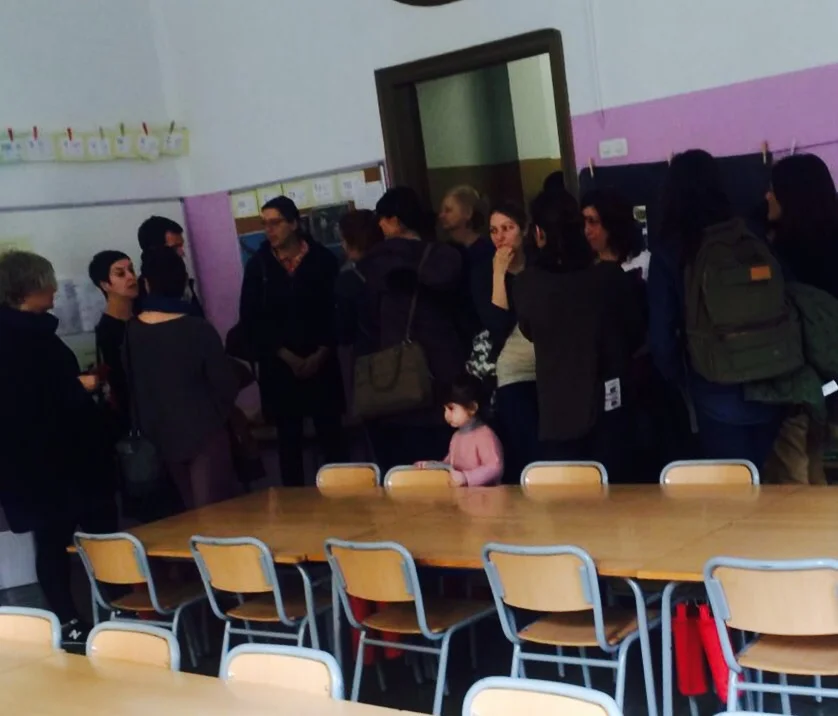
Martedì sono andata a vedere una scuola per Mia qui a Barcellona, insieme a una ventina di altre mamme sconosciute e qualche padre. A parte il mal di testa che mi sono procurata cercando (invano) di afferrare qualche parola in catalano della direttrice, e a parte aver capito solo che nel giardino della scuola ci sono ben 14 palme, ho passato quell’oretta a fissare alcune delle mamme. A infastidirmi per le loro troppe domande attente. A immaginare vite frustrate, aspettando di iscrivere i figli a scuola per poter far parte di un “comitato di mamme” e scassare le palle su ogni cagata.
Ma il punto è che loro, a parte le domande attente che io ovviamente non ho fatto, avrebbero potuto pensare esattamente la stessa cosa di me.
Perché il luogo comune – di cui martedì sono stata colpevole anche io – è che una volta diventate madri alcune donne, un tempo intelligenti, colte e interessanti, diventino una specie di bomba ormonale vagante, reazionarie più del congresso di Vienna, responsabili di crimini contro l’umanità come il bamboccionismo dei figli maschi e la vanità di quelle femmine. Cosa che a volte capita davvero, per carità, soprattutto a quelle di noi che credono troppo nella favola del miracolo della maternità, quelle che si sentono delle prescelte.
Ora, a parte quella santa di Maria Vergine che se l'è visto arrivare letteralmente dall'alto, servirebbe ricordare a tutte noi non-prescelte che il miracolo di cui ci accaniamo a parlare è banalmente un rapporto sessuale completo non protetto in cui uno spermatozoo riesce a fecondare un ovulo. Una roba meccanica più che spirituale, diciamoci la verità. Quindi a occhio e croce direi che la maternità non è un miracolo e neanche un merito, è tutt'al più una libera scelta, quando si ha la fortuna - fisiologicamente parlando - di poterla fare.
E’ chiaro che se noi mamme ci mettiamo a guardare foto artistiche di parto o a leggere articoli che ci definiscono “guerriere”, ci commuoviamo, ci riconosciamo. Il parto fa un male cane e noi ORA LO SAPPIAMO, ma in realtà lo sapevamo anche prima di partorire. E i figli richiedono sacrifici, ma possiamo anche lottare per smezzarci questi sacrifici in maniera più equa coi padri invece di proclamarci martiri o guerriere e sfracassare le palle al mondo.
Io, poi, da quando sono mamma piango anche guardando Alla ricerca di Nemo, persino quando lo guardo 7 volte in una settimana. Ma in fondo sono la stessa che, nella mia vita senza figli, un po’ lacrimava anche sul “Nessuno può mettere baby in un angolo” di Dirty Dancing. Non credo di essere cambiata molto. Continuo persino a non sapere avere a che fare con i bambini, a parte la mia.
Quindi non mi venite a dire che “una mamma lo sa”. O almeno non parlate pure per me, perché io non lo so. Vi assicuro. E credo che le mamme del "tu non hai figli e non puoi capire" non facciano altro che fomentare un'altra guerra tra donne, di cui non sentivamo affatto la mancanza. Quella tra mamme "prescelte" e non-mamme per-scelta, dove le seconde sono altrettanto responsabili, accusando tutte le madri di aver portato, con il loro entusiasmo materno, la società a non accettare le donne senza figli. "Le madri sguainano le foto dei marmocchi perché non hanno altro di cui gioire" dicono. Oppure "che ne dice delle donne che non parlano d'altro che dei loro figli facendo apparire quelle che non ne hanno delle stronze?" ha chiesto Simonetta Scendivasci de L'Inkiesta a Natalia Aspesi: "ho amiche che sono madri e nonne e non mi hanno mai parlato di figli e nipoti, pur adorandoli" ha risposto per fortuna la Aspesi. Addirittura ho letto che "le mamme diventano un peso per gli altri lavoratori". E no dai, cazzo! Magari sono i datori di lavoro e le politiche sociali a doversi preoccupare di non far diventare le mamme un peso per gli altri lavoratori. E invece no, ancora una volta il nemico delle donne sono le donne.
Comunque io, nel mio piccolo, alla fine del tour della scuola mi sono avvicinata a quelle mamme-come-me che però avevano fatto le domande attente. Scambiamoci un segno di pace.
-Ciao, allora che vi pare? Mi sembra una bellissima scuola no?
-Sì chiaro, però 14 è davvero troppo poco.
-Ah dici che 14 palme sono troppo poche nel giardino?
-14 posti. Ha detto che ci sono solo 14 posti per nuovi iscritti.
-Ah infatti, sì. Una vergogna._TIW
Mother DOESN'T know best
On Tuesday I went to see a school for Mia here in Barcelona, together with 20ish other mums that I had never met before, and some dads. Besides the headache that I got trying (in vain) to catch some catalan words from what the school manager was saying, and besides that I only understood that in the school garden there are 14 palm trees, I spent that hour observing some of the mums. l felt annoyed by all their mindful questions, I started figuring their frustrated lives, waiting for their children to go to school so that they could join a mums club and bust the balls about everything.
But the truth is that they, except for those mindful questions that I didn't ask, could have thought exactly the same things about me.
Because the cliche – that sometimes I'm guilty of – is that once they become mothers, some women that before were clever, educated and interesting, become a sort of hormonal loose cannon, more reactionary then the 1815 Wien Congress, responsible of crimes against humanity such as the "bamboccionismo" of mamma's boys and of the futility of the mamma's girls. Sometimes that is true, but mainly for those of us that believe too much in the story of the miracle of motherhood, those who consider themselves as "The chosen ones".
Now, except for Virgin Mary that actually saw it coming from above, maybe we need to remind to ourselves that for the not-chosen ones the "miracle" is just a simple complete and not-protected sexual intercourse where a spermatozoon managed to fertilise an egg. Something quite mechanical rather then spiritual, let's be honest. So I would say that motherhood is not a miracle or a virtue, is more a free choice, when someone has the luck - physiologically speaking - of being able to make it.
Very luckily if mothers look at artistic photos of childbirth or read articles that define us as "warriors", we feel moved, we identify with all that powerful stuff. Childbirth is bloody painful and WE NOW KNOW IT, but actually we knew it even before we gave birth. And yes, children require sacrifices, but we could fight to split those sacrifices with the dads in a more balanced way instead of self proclaim ourselves martyrs or warriors and bust the balls to the world.
Since I am a mother I cry even when I watch Finding Nemo, and sometimes I watch it 7 times a week. But I'm the same person that, in my childless life, used to tear a little bit hearing "Nobody can put Baby in a corner" in Dirty Dancing. I don't think I have changed much. I'm still not good with children, except for my own.
So do not say "Mother knows best". Or at least don't speak in my name, because I don't know best. Honestly. And I believe that those mothers that say "you don't have children so you can't understand" are just feeding another war amongst women that we didn't really need. The war between "chosen" mothers and not-mothers by choice, where the second ones are as responsabile as the first ones, blaming all the mothers if the society doesn't accept childless women, accusing them of "showing off photos of their little ones because they don't have much more to be proud of", or saying that mums only talk about their children, making the other women look like heartless bitches". I even read that "mothers (with their maternity leaves) become a burden for other employees". For God sake, that's bullshit! Employers and social policies should work not to make mothers a burden for other people. Well, nothing new really: once more women are women's worst enemy.
At the end of the school tour I went to say hello to those mums-like-me that asked mindful questions. Let's make peace, not war.
-Hi, so what do you think? It's a beautiful school, isn't it?
-Yes of course but just 14 is ridiculous.
-Oh you think 14 palm trees in the garden are not enough?
-14 places. The manager said there are only 14 places available to start next year.
-Oh yes, true. What a shame!_TIW
Una madre NO lo sabe
El martes fui a ver un colegio para Mia aquí en Barcelona, juntos a una veintena de madres y algún padres. Además del mal de cabeza por intentar entender algunas palabras en catalán de la directora y de haber solo entendido que en el jardín del cole hay unas 14 palmeras, he pasado una horita a observar algunas madres. A molestarme por sus preguntas demasiados pertinentes. A imaginar vidas frustradas esperando de inscribir los hijos al colegio para poder pertenecer a un "grupo de mamás" y tocar las pelotas por cualquier tontería.
La cuestión es que ellas, excluyendo las preguntas oportunas que evidentemente yo no puse, hubieron podido pensar exactamente lo mismo de mi. Porque el tópico - del que yo también soy culpable- es que una vez madres, las mujeres un tiempo inteligentes, cultas e interesantes, se transforman en una especie de mina hormonal vagante, reaccionaria más que el congreso de Viena, responsables de crímenes contra la humanidad como el "bamboccionismo" (mimo exagerado) de los hijos varones y la mitomanía de las hijas. Un hecho que, por supuesto, pasa sobretodo para las que creen demasiado en la fábula del milagro de la maternidad, las que se sienten unas elegidas. Y, excluyendo aquella santa de la Virgen María que lo ha sido literalmente, habría que recordar a todas nosotras no-elegidas que el milagro de lo que hablamos es banalmente un acto sexual completo no protegido en el que un espermatozoo consigue fecundar un ovulo. Al fin de cuenta algo mecánico más que espiritual. Así que prácticamente la maternidad no es un milagro y ni siquiera un mérito, al máximo es una libre elección si se tiene la suerte - en el sentido fisiológico- de poder tenerla. No cabe duda que si nosotras vemos fotos artísticas de partos o leemos artículos que nos definen "guerreras", nos emocionamos y nos reconocemos. Parir duele un montón y AHORA LO SABEMOS, pero en realidad lo sabíamos también antes de dar a luz. Y los hijos son fuentes de sacrificios, pero también podemos luchar para compartir esos sacrificios con los padres en lugar de nombrarnos mártires o guerreras para tocarle los huevos al mundo. Desde que soy madre lloro hasta viendo "Buscando a Nemo" y a veces lo veo 7 veces en una semana. Pero en el fundo soy la misma que, en mi vida sin hijos, lagrimaba con el "...No permitiré que nadie te arrincone..." de Dirty Dancing. No creo haber cambiado mucho. Sigo creyendo que no tengo mucha mano con los niños, a parte mi hija. Así que no me digáis eso de "una madre lo sabe". O por lo menos no habléis en mi nombre, porque yo no lo se. Os lo aseguro. Y creo que las madres del "tú no tienes hijos y no puedes entender" no hacen otra cosa que crear otra guerra entre mujeres de la que no sentíamos la necesidad. Esa entre madres "elegidas" y no-madre-por-libre-elección, donde las segundas acusan las primeras de causar, con su entusiasmo de la maternidad, que la sociedad non acepte las mujeres sin hijos: "las madre sacan fotos de sus retoños ya que no tienen otra cosa para sentirse felices" dicen, o "que piensa de las mujeres que hablan exclusivamente de sus hijos haciendo parecer las que no tienen unas cabronas?", pregunta que Simonetta Scendivasci ha puesto en la revista L'Inkiesta a Natalia Aspesi, la cual ha contestado de "tener amigas que son madres y abuelas que nunca le han hablado de sus hijos y nietos no obstante les adoren". Hasta he oído decir que "las madres trabajadoras son una carga para los compañeros". Joder no! Tal vez los que contratan y las políticas sociales son los que se tienen que preocupar de que eso no pase. Pero no, una vez más el enemigo de las mujeres son las mujeres mismas.
En fin, al acabarse el tour en el colegio, me acerco a las madres-iguales-a-mi que habían puesto preguntas pertinentes. Intercambiamos un signo de paz.
⁃ Hola, qué les pareció? Me ha parecido un colegio estupendo, a que si?
⁃ Si por supuesto, pero la verdad que 14 es muy poco
⁃ Ah, crees que 14 palmeras sean pocas para el jardín?
⁃ 14 plazas. Ha dicho que hay solo 14 plazas para los nuevos inscritos.
⁃ Ah si claro. Una vergüenza._tiw