The Italian Wife

London explained by a very Italian villager adopted by a very multiethnic family

  • New Page
  • Blog
  • About
  • Contact
  • Subscribe by email
image.jpg

Viola, che è nata due volte

August 17, 2016 by Daria Simeone

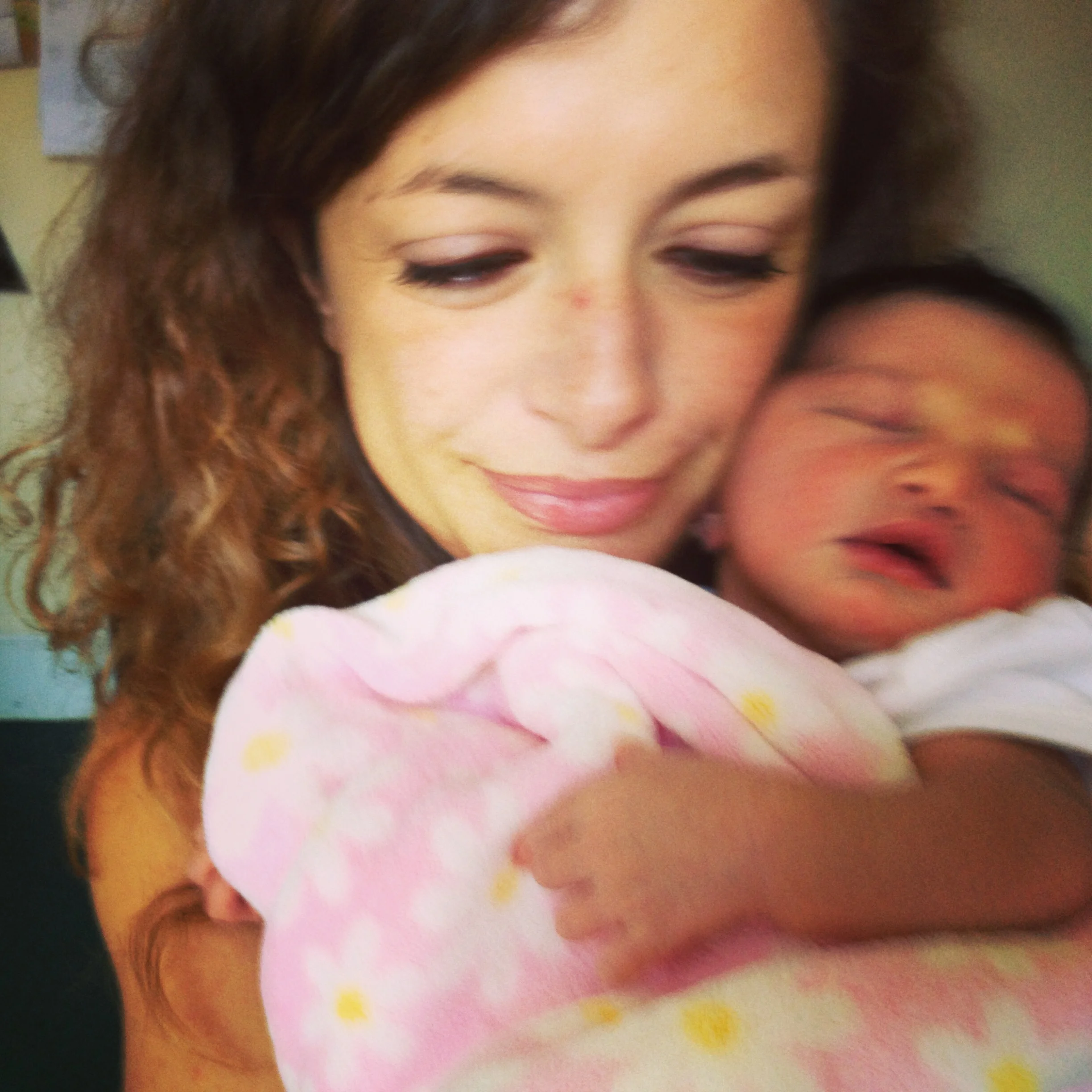
Cinque giorni fa sono dovuta tornare al reparto maternità con mia figlia di soli 5 giorni e un foglio da far compilare alle ostetriche per poterla registrare al Registro Civil di Barcellona. Quando avevamo lasciato l'ospedale, il giorno prima, si erano dimenticate di compilarlo, non c'era la data né l'ora della nascita, me lo avevano dato in bianco. "Per quello che ci riguarda questa bambina non è neanche nata" mi aveva detto quella dell'anagrafe a cui avevo consegnato il modulo incompleto.
Mentre aspettavo che le ostetriche mi riconsegnassero il modulo fuori con Viola, già intenta a maciullarmi i capezzoli, un papà è uscito nella sala d'aspetto e ha abbracciato due coppie di neo nonni: è nata! ha urlato, ed erano tutti felicissimi. Io sono scoppiata a piangere manco fossi davanti alla scena di E.T. che se ne risale sull'astronave per tornare a casa.

Piangevo perché io quel momento di felicità semplice e liberatoria non lo avevo mai avuto, perché il mio fidanzato anglo-arabo aveva dovuto annunciare ai neo nonni entrambi i miei parti con la tristezza e la paura di chi non sa esattamente cosa sia accaduto, ma in linea di massima sa che non è nulla di buono. Perché, anche stavolta, il messaggio mi è arrivato forte e chiaro: il corpo delle donne sarà anche fatto apposta per far figli, ma il mio evidentemente non lo è manco per il cazzo.

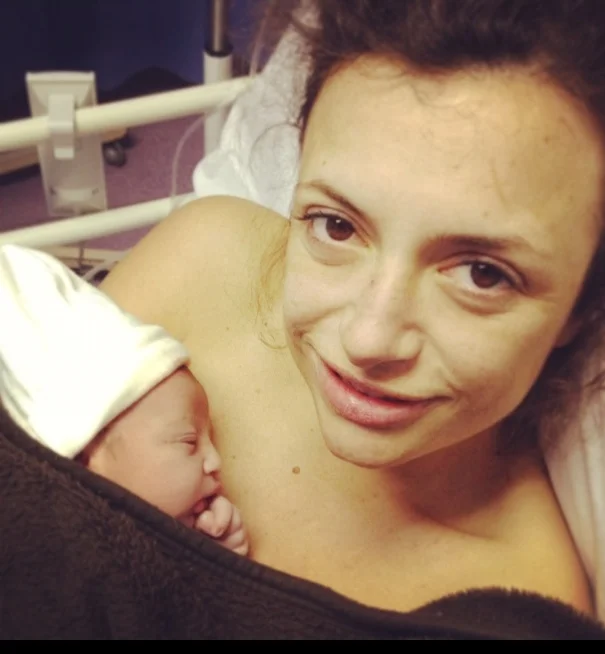
Verso le 3 di una mattina di agosto, mentre mi si rompeva l'utero nelle spinte finali, è nata Viola.

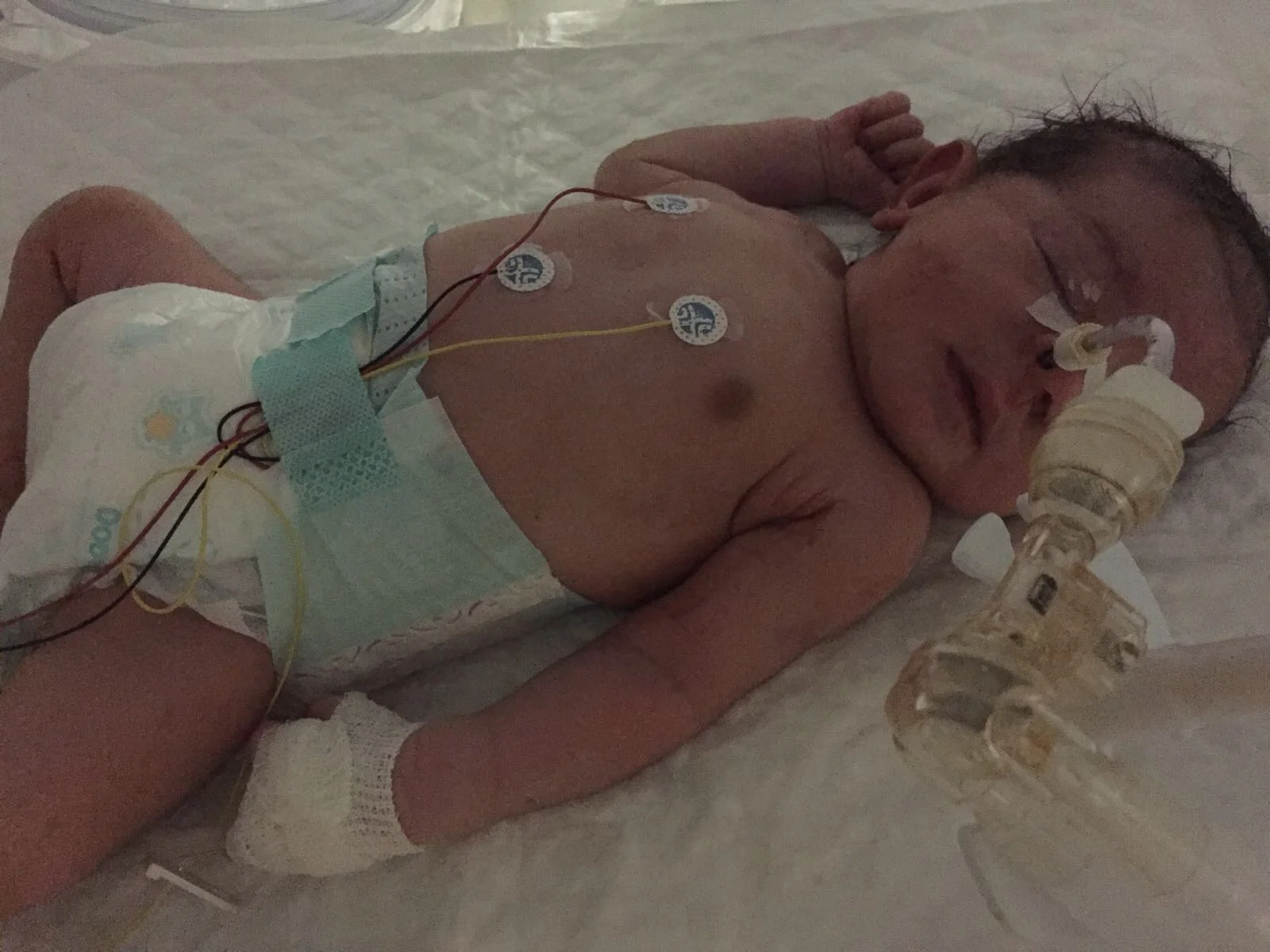
Con un cesareo di emergenza come sua sorella, in cui è stata tirata per i capelli mentre restava senza ossigeno. La prima volta che l'ho vista era in una foto che il suo papà mi ha mandato quando ero in terapia intensiva. Lei era intubata e piena di elettrodi in una incubatrice, chissà in quale parte dell'ospedale. La prima volta che l'ho toccata non sapevo come tenerla per non incasinare i fili a cui era collegato il suo respiro e per non sentire gli aghi delle flebo che aveva nella mani. La prima cosa che mi hanno detto di lei non è stata "è bellissima", ma "dobbiamo verificare che non ci siano stati danni cerebrali". Ho pensato che sarebbe diventata il mio amore più grande, quello che compensa l'ingiustizia di un dolore e una paura vissuti troppo presto. 

Poi ho rivisto sua sorella. E allora sarà stato il famoso rilascio ormonale che ti scombussola a 3 giorni dal parto, o il ricordo di un cesareo violento di cui Viola era in qualche modo la causa, o sarà stata la bellezza di Mia che parla e ride e fa casino mentre sua sorella a stento sorride sdentata mettendo le mani conserte e meritandosi già il nomignolo di Andreotti, fatto sta che l'ho guardata e ho pensato: ma cosa cazzo ho fatto? 
Ed è stato allora che ho iniziato a sentire la mancanza di Mia, del nostro tempo passato insieme.
Che ho guardato il mio corpo passare dalla pienezza della gravidanza alla sfattanza molliccia e appesa di una pancia che si è svuotata troppo in fretta.
Che ho sentito il dolore della cicatrice chiusa con le stesse graffette di metallo con cui alle scuole elementari sigillavamo i cestini di carta dei lavoretti di Natale.
Che ho bestemmiato il dio dell'allattamento che ti manda il latte, ma senza un manuale di istruzioni per darlo.
Che non ho risposto al telefono a chi voleva sapere cosa fosse successo.
Che ho cercato su Google: dopo quanti giorni i neonati iniziano a perdere i peli?
Che ho guardato mia figlia e ho pensato: ma questa chi cazzo è?

Il giorno dopo, a 5 giorni dal parto, mi hanno ricoverato d'urgenza per un'infezione post operatoria. Io, Viola e l'anglo-arabo siamo tornati in ospedale. Altri tre giorni a mangiare cibo di merda, altre due notti lontani da Mia che la sera ci supplicava di andare con lei.

Ma in quelle ore lunghissime, in cui ho visto i miei genitori invecchiare di paura e mia sorella piangere di rabbia, in cui il mio ex mi ha portato un panino con prosciutto di Parma da mezzo chilo e la mia amica Cristina una busta di cioccolate, patatine e un libro di Muramaki per tirarmi su, in cui il mio amico Luca ha sedotto tutte le infermiere e dottoresse che potessero rilasciargli informazioni utili sulla mia scarsa salute, in quelle ore ho dimenticato le graffette e la pancia e i peli. Ho risposto al telefono e ho raccontato cos'era successo. 
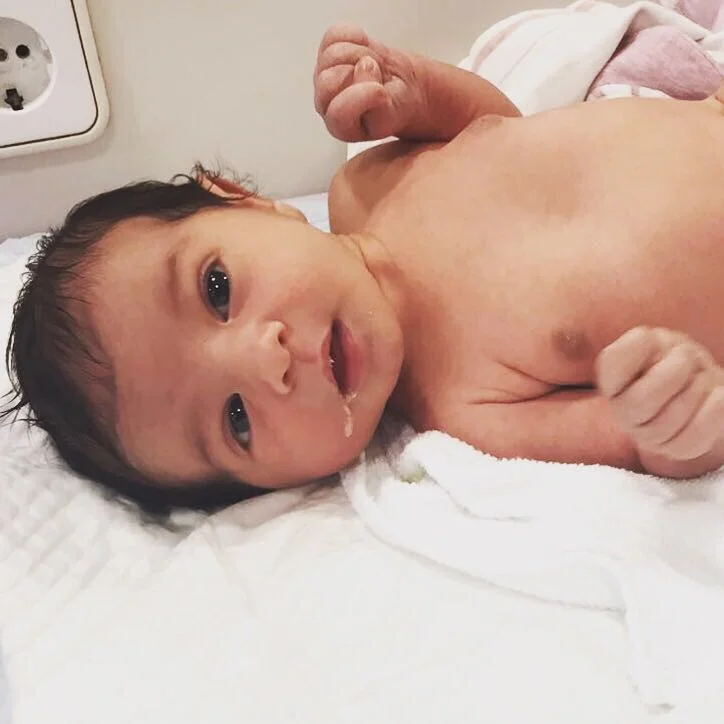
image.jpg

È successo che alle 3e16 della mattina del 6 agosto è nata Viola. Che è bellissima. Da oggi c'è scritto anche nel Registro Civil di Barcellona. Ma alle 14e30 del 14 agosto, nel giorno del compleanno dell'anglo-arabo, siamo rinati un po' tutti lasciando quella stanza di ospedale. Non ci siamo abbracciati in una sala d'attesa, ma mamma mi ha chiamato e mi ha detto: ho fatto le polpette al sugo per quello scassacazzo del tuo fidanzato, giusto perché è il suo compleanno._TIW


Viola, who had to be born twice
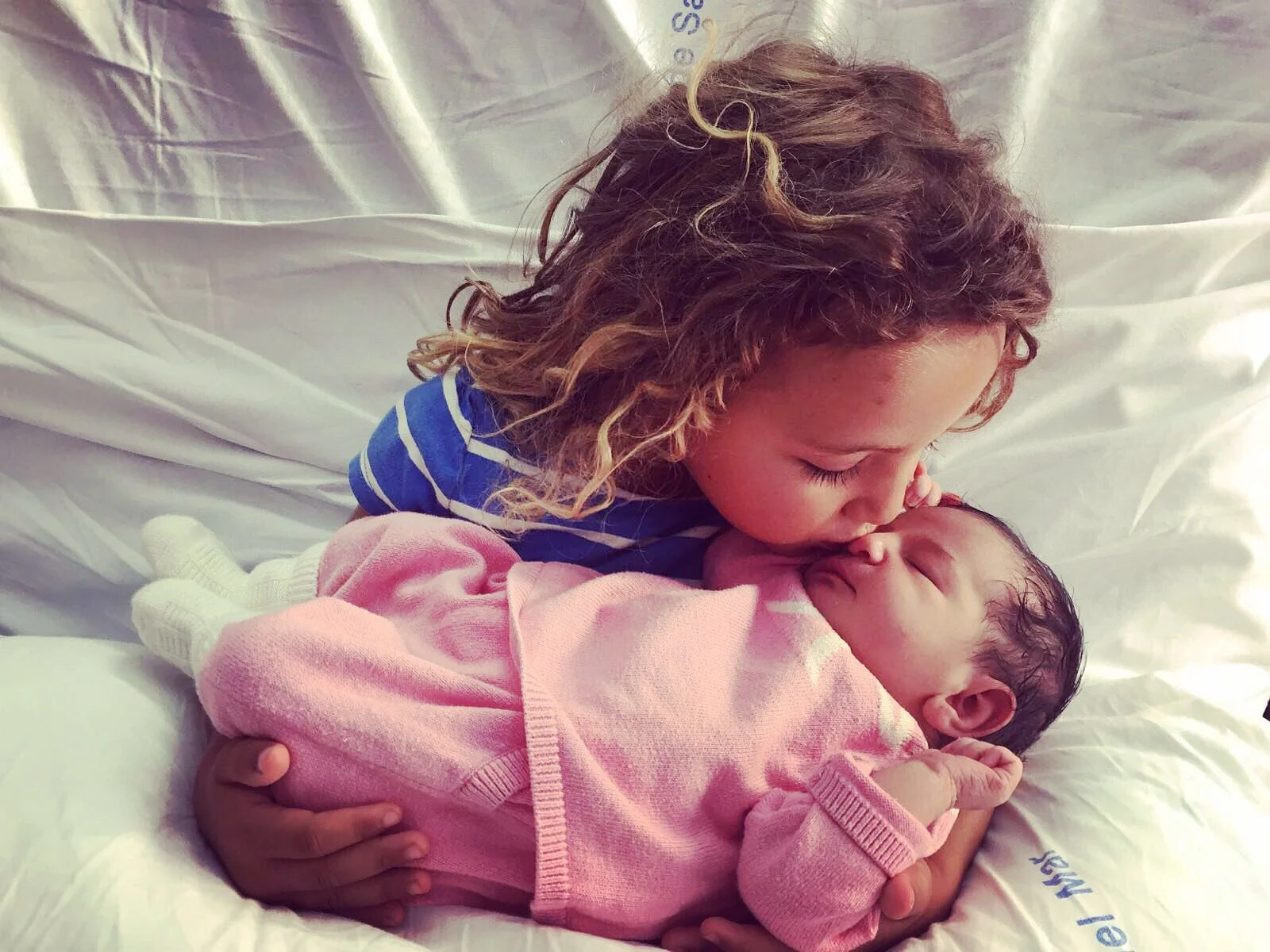
Mia & Viola

Mia & Viola

Five days ago I had to go back to the Maternity ward with my 5 day old daughter and paperwork for the midwives to fill in, in order to register her at the Registro Civil of Barcelona. When we had left the hospital, the day before, they had forgotten to fill in the date and time of birth; they left it blank. "As far as I'm concerned this baby has not been born" said the woman at the Registrar when I handed in the incomplete application. 
While I was waiting for the midwives to return the paper work, with Viola already well on her way to destroying my nipples, a dad came to the waiting room and shouted "it's a girl!" hugging two sets of brand new grandparents. They were all so happy. I bursted into uncontrolled tears, just like I use to do while watching the scene when E.T. waves goodbye from the space shuttle that took him back home. 

I was crying because I never had that moment of happiness, because my British-Arab boyfriend, both times, had to give the grandparents news filled with fear of the unknown, but roughly knowing that it's nothing good. This time, again, the message arrived loud and clear: my body is not built to give birth to children. 

Around 3am of an August morning, while my womb ruptured during final pushes, Viola was born by emergency c-section. Like her sister. They had to pull her out, by her hair, as oxygen was abandoning her. The first time I saw her was in a photo that her dad sent me while I was in Intensive Care. She too was in Intensive Care, covered with electrodes in an incubator somewhere in the hospital. The first time I touched her I didn't know how to hold her without tangling up the various wires that were allowing her to breath and without putting pressure on the needle in her hand supplying the drip. The first thing they told me about her wasn't "she's beautiful" but "we need to check that there is no brain damage". The first thing I thought was she would become my biggest love, the one that compensates the unfairness of a pain and a fear experienced too early.  

Then I saw her big sister; it might have been the hormone storm that hits new mums on the 3rd-4rd day after birth, or the memory of the violent surgery that brought Viola, or maybe because of Mia's beauty, the fact that she talks, laughs, makes a mess while her little sister barely smiles looking like an old wrinkled man: all I know is that I looked at her and thought "what the hell have I done?"
And this is when I started missing Mia, and our time alone together.
When I saw my body going from the fullness of the pregnancy to the soft floppiness of a belly that was emptied too quickly.  
When I felt the pain of a wound sealed with the staples, the kind we used to use at primary school to make Xmas baskets.
When I swear at the god of breastfeeding for sending down milk, but without a "how to" manual.  
When I didn't pick up the calls from people that wanted to know what was going on.
When I Googled: when do newborns loose bodily hair?
When I looked at my daughter and I thought: who the hell is she?

The day after, 5 days after giving birth, they admitted me into the hospital again for a post surgery infection. Me, Viola and the British-Arab were there again. Three more days of eating shitty hospital food, two more nights away from Mia. As she was leaving the hospital with her grandparents and auntie for the night, while begging us to go with her, I promised her that it was the last time I was leaving her alone, hoping I could keep the promise, at least this time.  
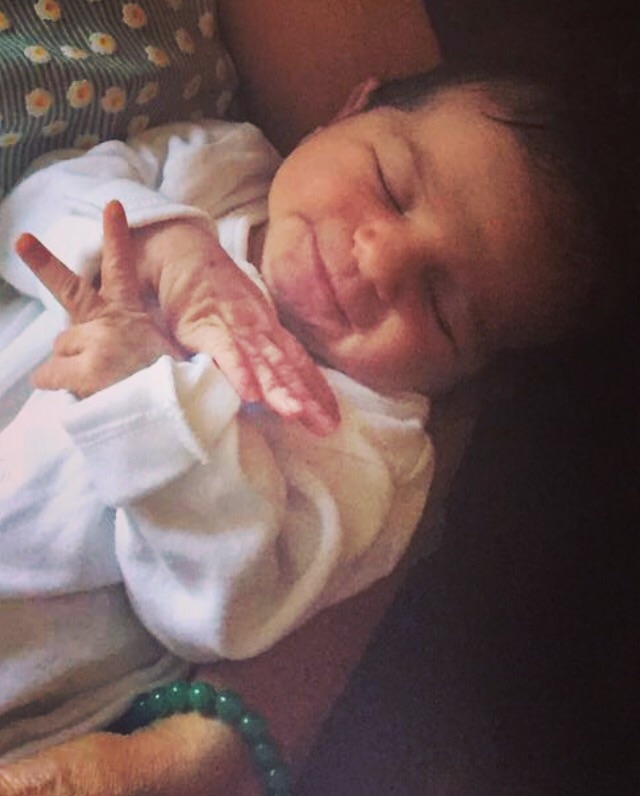
Andreotti

Andreotti

But during those long hours, when I saw my parents ageing from fear, my sister crying from anger, when my ex boyfriend brought me a huge sandwich with Parma ham to cheer me up, and my friend Cristina a bag of junk food and a Murakami novel, when my friend Luca seduced all the nurses and doctors he could to extract some confidential information about my health, well in those hours I forgot about the staples, my belly and the bodily hair. And I started answering the phone to tell people what had happened.
At 3.16am of the 6th of August Viola was born. And she is beautiful. As of today it is also in the Registro Civil of Barcelona. But at 2.30pm of the 14 of August, on the British-Arab's birthday, we were all born again leaving that hospital room.  We didn't celebrate hugging each other in a waiting room, but mum phoned me and said. I made meatballs in tomato sauce for that ball breaker of a boyfriend of yours, but just because it's his birthday._TIW


Viola, que ha nacido dos veces  

Hace cuatro días tuve que volver al reparto de maternidad con mi hija de apenas 4 días y un papel para que lo firmaran las matronas para poder inscribirla en el Registro Civil de Barcelona. Cuando nos fuimos del hospital, cuatro días antes, habían olvidado de rellenarlo, no había fecha ni hora del nacimiento, me lo habían entregado en blanco. "Para nosotros esta niña ni siquiera ha nacido" me dijeron al registro donde había entregado el documento incompleto. Mientras esperaba que las matronas me devolvieran el papel firmado, esperando fuera con Viola ya ocupada a destrozarme los pezones, un padre salió de paritorio y abrazando dos parejas de abuelos primerizos les dijo: ha nacido! Y todos eran tan felices. Se me han saltado las lágrimas como si estuviera viendo ET subirse a la nave para volver a casa.

Lloraba porque no tuve ese momento de felicidad sencilla y liberatoria, porque mi novio anglo-arabe fue el que con tristeza y miedo tuvo que explicarles a los abuelos en ambos nacimientos, sin saber exactamente lo que había pasado, eso sí, sabiendo que no había sido nada bueno. Porque otra vez más el mensaje me ha llegado fuerte y claro: mi cuerpo no da el máximo cuando da a luz.

Alrededor de las 3 de la madrugada de una mañana de agosto, mientras mi útero se rompía con los empujones finales, ha nacido Viola. Con una cesárea de urgencia, igual que su hermana, en la que la han sacado por los pelos mientras se quedaba sin oxígeno. La primera vez que la he visto ha sido en una foto que su papá me ha enviado mientras yo estaba en terapia intensiva. Ella está entubada y llena de electrodos en una incubadora, en no sé qué parte del hospital. La primera vez que la he tocado no sabía como cogerla para no enrollar los cables conectados a su respiración y para no tocar las agujas del goteo puestas en sus manos. La primera cosa que me han dicho sobre ella no ha sido " es preciosa" si no "tenemos que verificar que no ha sufrido daños cerebrales". He creído que iba a ser mi amor más grande, aquel que compensa la injusticia de un dolor y un miedo vividos demasiado pronto. Luego he vuelto a ver su hermana mayor. Y entonces puede que por las famosas hormonas que te afectan a 3 días del parto, o por el recuerdo de una cesárea violenta del que la niña había sido de alguna manera la causa, o tal vez por la belleza de Mia que habla, se ríe y monta follones mientras su hermanita sonríe sin dientes poniéndose las manos entrelazadas en el pecho, mereciéndose ya el apodo Andreotti (político italiano), el hecho es que pensé: ¿que coño hice?

Y entonces he empezado a echar de menos a Mía y a nuestro tiempo pasado juntas.

He mirado mi cuerpo pasar de la plenitud del embarazo a la blandura de una barriga que se ha vaciado demasiado de prisa.

He sentido el dolor de la cicatriz cerrada con las mismas grapas metálicas que en el colegio usábamos para cerrar las manualidades navideñas.

He maldecido el dios de la lactancia que te envía la leche pero sin el libreto de instrucciones.

No he contestado a las llamadas de quién quería saber que había pasado.

He googleado: ¿después de cuantos días los bebes pierden el pelo?

He mirado mi hija y he pensado: ¿y esta quién coño es?

Al día siguiente, 5 después de dar a luz, me han ingresado de urgencia por una infección post operatoria. Viola, el anglo-arabe y yo hemos vuelto al hospital. Tres días más de comida de mierda, 2 noches más lejos de Mía. Cuando tenía que volver a casa con los abuelos y la tía y nos suplicaba de ir con ella, yo le prometía que era la última vez que la dejaba sola y mi única esperanza era la de poder cumplir la promesa, por lo menos esta vez. Pero en aquellas larguísimas horas, donde he visto mis padres envejecer por el miedo y mi hermana llorar por la rabia, en que mi ex me ha traído un bocadillo de jamón de Parma de medio kilo para animarme, en que mi amigo Luca ha cautivado a todas las enfermaras y doctoras que pudieran darle alguna información útil sobre mi escasa salud, en aquellas horas me olvidé de las grapas, la barriga y los pelos. He contestado al teléfono y he contado lo que pasó.

A las 3.16 de la madrugada del 6 de agosto ha nacido Viola. Y es preciosa. Desde hoy está apuntado también en el Registro Civil de Barcelona. Pero a las 14.30 del 14 de agosto, el día del cumpleaños del anglo-arabe, un poco hemos vuelto a nacer todos en el momento de dejar aquella habitación del hospital. No nos hemos abrazados en una sala de espera, solo mi mamá me ha llamado y me ha dicho: he preparado albóndigas con salsa para aquel toca pelotas de tu novio, justo porque es su cumpleaños._TIW
August 17, 2016 /Daria Simeone
secondogenito, c-section, paura, hospital, second child, nascita, parto, ospedale, partorirai con dolore, birth, motherhood, maternità, cesareo
3 Comments


image.jpg

Scusate future mamme, dobbiamo dirvi che farà male

July 14, 2015 by Daria Simeone

C’è una sola cosa peggiore delle donne che terrorizzano le primipare raccontando la loro terribile esperienza di parto: le primipare che, una volta partorito, faranno esattamente la stessa cosa con le disgraziate che seguono.
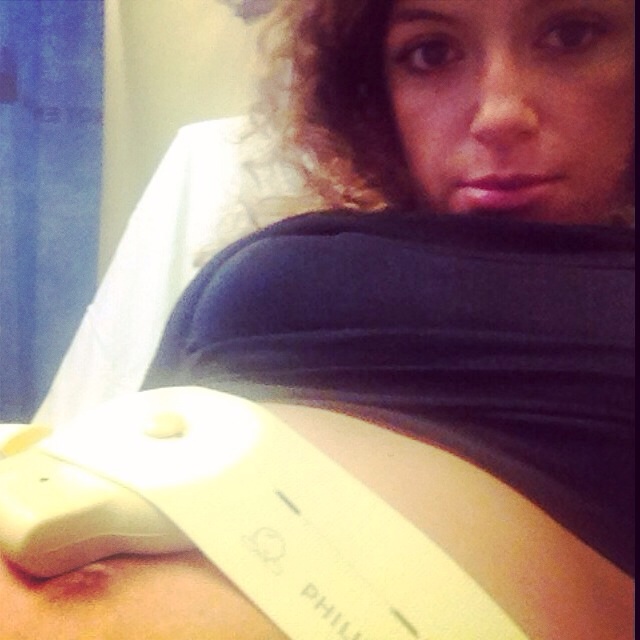
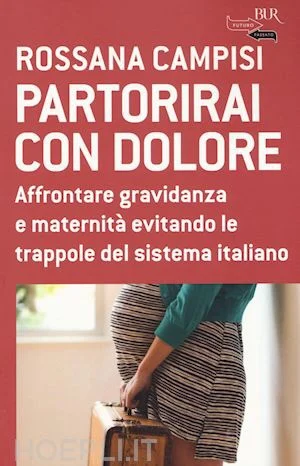
E’ successo anche a me, che da incinta ho odiato tutte le madri che mi raccontavano spontaneamente i loro parti horror. Ho raccontato il mio parto ad una sconosciuta che – che io sappia – non era incinta, ma si preparava a scrivere un libro, Partorirai con dolore, uscito la scorsa settimana. Rossana Campisi ha raccolto storie di donne che hanno partorito in Italia e all’estero, ha messo insieme dati statistici e gli ha dato volti e nomi, ma soprattutto emozioni. Per poter parlare del parto senza tabu, senza pipponi di retorica e sentimentalismi. Perché ci deve essere una verità oltre ai soliti “è un’esperienza incredibile, totale, mistica”, o “pensavo di morire” o “il dolore si dimentica” (ho sentito anche una madre sostenere di avere avuto un orgasmo da doglie, ma deve essere un’inguaribile ottimista). La verità, per me, è che il parto è imprevedibile, perciò ci si arriva sempre impreparati, e per questo è sempre sorprendente. Tra queste donne sorprese dal parto di cui racconta il libro ci sono anche io, a Londra, partita con un programma un po’ hippie di parto in acqua e finita con un cesareo di emergenza imbottita di droghe; ma c’è anche la mia amica-sorella Rosanna che ha partorito su una delle più piccole isole delle Canarie naturalmente, senza neanche l’epidurale. Per ben due volte (ha sempre avuto più culo di me).

image.jpg

Dopo una gravidanza perfetta in cui non sono mai stata visitata da un ginecologo, assistita dal protocollo non-interventista dell’NHS (il sistema sanitario inglese) e rassicurata da tutti che avrei sparato fuori la pupa a razzo “perché il tuo corpo sa cosa fare”, sono stata in travaglio per QUATTRO giorni. I primi tre ingurgitando paracetamolo e codeina, unico antidolorifico prescritto dall'NHS. Quando sono riuscita a conquistare finalmente un letto d’ospedale – dopo aver dimostrato di essere a 3-4 centimetri di dilatazione – ho provato la piscina, ma alla fine mi è toccata la morfina, il gas&air e l’epidurale, concludendo comunque con un cesareo di emergenza in anestesia totale. Per nove mesi mi ero immaginata tutta un’altra storia. Io nella piscinetta dell’ospedale con All this and heaven too a tutto volume, mano nella mano al mio compagno, due spinte e tac, ho tra le braccia la mia bimba, io piango, lui piange, bacio. Invece il mio corpo, evidentemente, non sapeva cosa fare. E in sala operatoria non c’ero né io né il papà ad aspettare Mia. Non c’era musica né acqua a rendere il passaggio più dolce. Per fortuna, però, c’erano le persone giuste a prendersi cura di lei. Questo ho raccontato a Rossana. E che non credo che un cesareo mi renda meno madre della mia amica Rosanna che ha avuto un parto naturale. Né credo che chi fa l’epidurale sia meno madre di chi sceglie di soffrire fino alla fine. Tanto fa male lo stesso, se vogliamo davvero misurare la maternità col dolore. Invece io a quel dolore preferisco dare il significato che mi hanno insegnato a un corso pre parto: “pain is gain”, il dolore è una conquista. Perché più dolore senti, più sei vicino al momento in cui conoscerai tuo figlio. E’ per questo, forse, che tante madri vogliono raccontare quel dolore anche a chi non lo vuole sentire. Per condividere una delle esperienze più potenti della loro vita, che le ha ribaltate e fatto perdere il controllo del loro corpo, ma che ha soprattutto messo fine all’attesa di un grande amore. E allora non giudicatele male, sopportatele. Anche perché presto potreste essere voi a terrorizzare altre future madri._TIW

Why we need to tell future mums that it (bloody) hurts

image.jpg

There is only one thing worse than mothers that terrorise future mums by telling them their horror stories on giving birth; future mums that will do exactly the same as soon as they give birth, terrorising the next round of mums.
It happened to me too. When pregnant, I hated all the women that told me their scary stories without being asked. Then I told my story to a stranger that wasn’t pregnant as far as I know, but that was about to write a book, With pain you will give birth. Rossana Campisi has collected data and associated emotions, faces and names of real women to them. She wanted to talk about motherhood and birth without the usual taboos, without being rhetorical and sentimental. Because there must be a truth beyond the “oh it was an incredible experience, utter, mystical” or “I though I was gonna die!” or “pain? What pain, you forget the pain” (I’ve even heard a woman saying that she had an orgasm while in labor, but she must be an incurable optimistic). The truth, I believe, is that giving birth is unpredictable, that’s why you cannot be prepared, and that is why it is so astonishing.
Among these women astonished by giving birth there is me, in London, with my hippie plan of water birth that ended up with an emergency c-section and me stuffed full of drugs; but there is also my friend-sister Rosanna that has given birth naturally on one of the smallest islands of the Canaries, without an epidural. Twice (she’s always been luckier than me).

After a perfect pregnancy without needing gynaecologist a single time, assisted by the non-interventionist NHS protocol and reassured by everyone that I would have pushed the baby out with a few pushes "because your body knows what to do", I was in labor for FOUR days. The first three swallowing paracetamol and codeine, the only painkiller prescribed by the NHS. When I finally managed to win a hospital bed - after proving to be 3-4 centimeters dilated - I stayed in the pool, but in the end I had to take morphine, gas & air and an epidural, and nothing stopped me from having an emergency caesarean under general anaesthetic. For nine months I had imagined a complete different story. I had imagined myself in a pool with All this and heaven too playing loud in the background, hand in hand with my partner, two pushes and tac! I have my baby in my arms, I cry, he cries, we kiss. But my body, obviously, did not know what to do. And neither her dad or I were in the operating room waiting for Mia when she came out. There was no music and no water to make the transition smoother. Fortunately, though, there were the right people to take care of her. This is what I told Rossella. And that I don’t believe a cesarean has made me less of a mother than my friend Rosanna that had a natural birth. Nor do I believe that anyone who gets an epidural is less of a mother than those who chooses to suffer until the end. It hurts anyway, if we really want to measure maternity with pain. Instead I prefer to give that pain the meaning that I was taught in an antenatal class: “pain is gain”. Because the more pain you feel, the closer you are to the time when you will meet your child. That’s why, maybe, mothers want to tell their pain stories to those who don’t want to hear them. To share one of the most powerful experiences of their lives, that has turned them upside down and made them lose control of their bodies, but that has also ended the waiting for a great love. So please don’t judge them, forgive them. Because soon it might be your turn to terrorise other mothers._TIW


July 14, 2015 /Daria Simeone
parto, c-section, antenatal class, canarie, incinta, labor, rossana campisi, gravidanza, london, travaglio, pain, londra, maternità, cesareo, birth, nhs, motherhood, pregnancy, partorirai con dolore, dolore
4 Comments


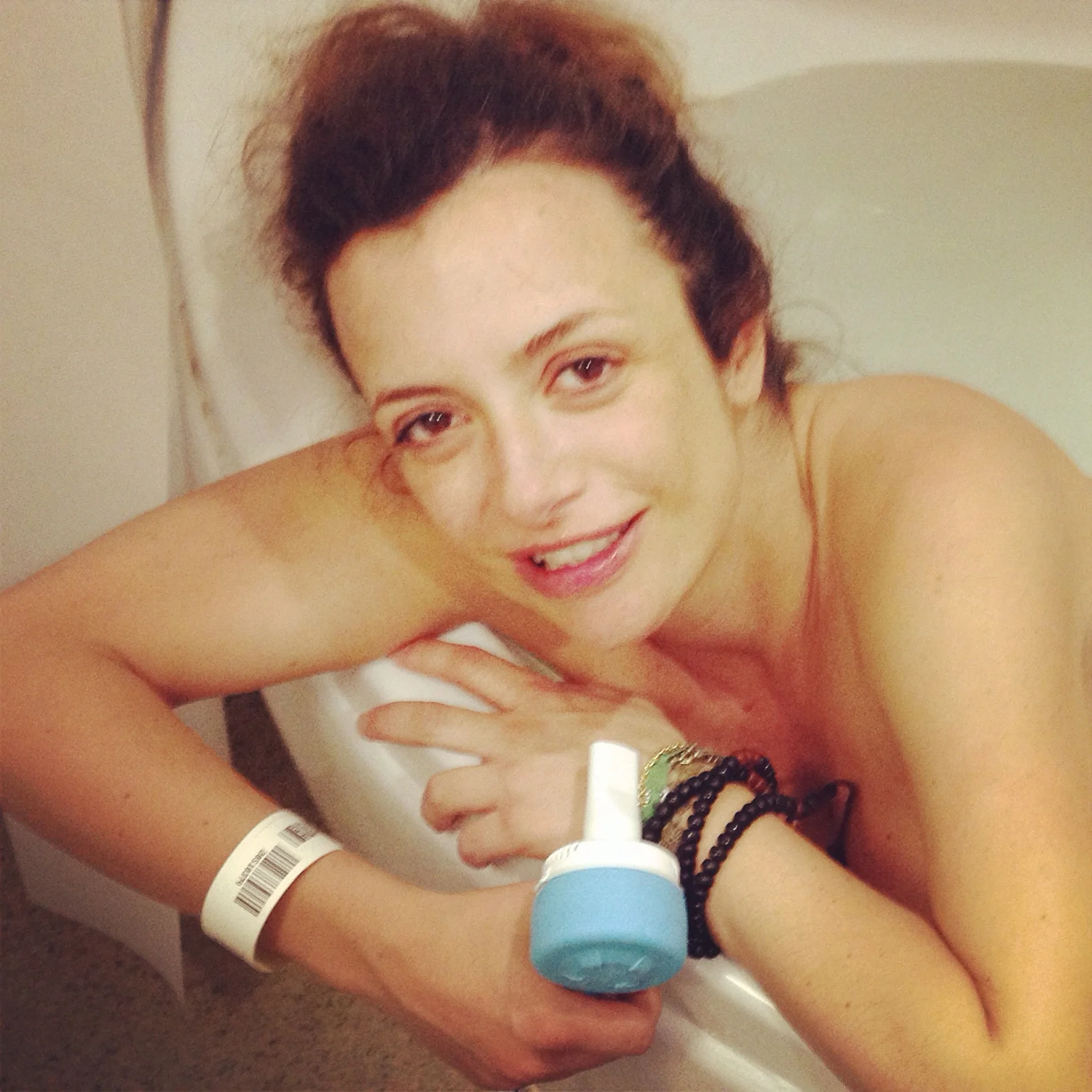
God save the gas&air. The evidence that I have been in the pool

God save the gas&air. The evidence that I have been in the pool

Partorirai con dolore, attaccati al tubo del gas

March 24, 2015 by Daria Simeone

Fino a 13 anni mi hanno promesso che sarei diventata altissima. Addirittura un cugino medico argomentava la previsione con osservazioni scientifiche: <Perché hai un sacco di ormoni maschili. Hai il pomo di Adamo>. Quando sono arrivata a 1 metro e 59 e ci sono rimasta per un anno, poi due, tre, al quarto mi sono rassegnata al fatto che le previsioni sono cazzate. Una preghiera a mia nonna mi ha fatto arrivare a 1.60.

Con congetture paracule simili, quando ero incinta, le mie compagne di palestra e di panza mi hanno assicurato che avrei sparato fuori la pupa a razzo, dopo un paio d’ore di spinte ginniche. <Perché sei in forma, il tuo corpo sa cosa fare> dicevano con il piglio dell’ostetrica navigata con un passato da personal trainer dei Marines. Quindi sono stata in travaglio per QUATTRO giorni. I primi tre aggrappata a una scatoletta di paracetamolo e codeina, unico antidolorifico prescritto dall'NHS. Ma a parte il mio problema col paracetamolo, la verità è che per 9 mesi di panza ho idolatrato l’approccio naturalista alla gravidanza del Sistema Sanitario Inglese.

  • In Italia si fa un’ecografia ogni mese, qui se ne fanno due, a 12 e 20 settimane. Al massimo una terza a 31 se proprio mostri ansia in eccesso. Quindi io l’ho fatta.
  • Fino a 12 settimane non sei incinta per l’NHS. Però se magari inizi a ridurre l’alcol, è meglio.
  • L’amniocentesi non te la consiglia mai il ginecologo.
  • Perché non c’è il ginecologo.
  • Ci sono le midwives, che credo siano ostetriche.
  • Non vedrai nessun dottore, almeno fino all’epidurale o al cesareo. O alla morte.
  • E quindi nessun dottore vedrà la tua discomfort zone. Mia cognata è arrivata in ospedale con le doglie e quando l’ostetrica le ha chiesto il PERMESSO per farle un’ispezione interna lei ha aperto la bocca.
  • Fino a 4 centimetri di dilatazione non stai partorendo. Quindi non provare a presentarti in ospedale credendo di essere in punto di morte, ti rimbalzeranno.
  •  I test per la toxoplasmosi e il citomegalovirus non esistono. Troppo difficili da pronunciare.
  • Per fare l’epidurale non c’è bisogno di nessun’analisi preventiva “tanto se dovessi reagire male sei già nel posto migliore per essere salvata”. Non fa una piega.
  • Il cesareo è sempre di emergenza. A meno ché tu non abbia 5mila pound per programmarlo.
  • Emergenza vuol dire più o meno che stai schiattando. O il bambino. O tutti e due.
  • L’epidurale è l’ultima spiaggia che ti viene proposta solo dopo aver provato paracetamolo, piscina  - perché l’acqua aiuta (ma aiuta chi?) - , petadina (morfina: le uniche 4 ore della mia vita in cui non sono stata ansiosa), gas&air ovvero l’inalatore che ti ubriaca, e ipnosi.  

Non essendo io naturalista, ma piuttosto ipocondriaca e medicina-dipendente, sono stata punita per essermi illusa che avrei potuto finalmente affidarmi alla Natura, al mio corpo-che-sa-cosa-fare, all’ostetrica, alla piscina echitebbib. No, all’ipnosi no. Quindi dopo i quattro giorni di travaglio, le preghiere a nonna e a qualche altro parente, il paracetamolo, la petadina, il gas&air e l’epidurale sono finita con un cesareo di emergenza che ha fatto scattare tutte le sirene dell'ospedale, in anestesia totale. Insomma quando mi hanno dimesso ero ormai una tossicodipendente._TIW 

There is nothing more natural than a c-section

image.jpg

Until I was 13, I was told that I would become very tall. A cousin doctor supported the prediction with scientific observations, 'You have a lot of male hormones, look you have an Adam's apple!'. When I reached 1.59 meter and stayed there for a year, then two, then three, on the fourth year I gave up and came to the conclusion that all predictions are crap. A prayer to my grandmother got me to 1.60.

meandmia.jpg

With similar parascientific conjectures when I was pregnant, my gym and bump fellows used to assure me that I would shoot out the baby like a rocket after a couple of hours of athletic thrusts. 'Coz you are fit, your body knows what to do' they said with the attitude of a sailed midwife with a past as a personal trainer for the US Marines. Then I was in labor for FOUR days. The first 3 of which I was holding on to Paracetamol and codeine tablets, the only painkiller the NHS would prescribe me. Besides my problem with Paracetamol, the truth is that for 9 months of pregnancy I idolised the NHS naturalist approach to giving birth, arguing internationally with anyone who criticised it.

  • In Italy you do a scan every month, here only at 12 and 20 weeks. Sometimes also at 31, but only if you show an anxiety excess. So I had it.
  • Up to 12 weeks you are not pregnant for the NHS. But maybe if you start to reduce the alcohol, it is better.
  • Amniocentesis is never recommended by gynaecologists.
  • Coz' there aren't gynaecologists.
  • There are the midwives that I think are obstetrics.
  • You will not see any doctors, at least until you need an epidural or cesarean. Or you are dying.
  • And then no doctor will see your private area. My sister in law went to the hospital with labor pains and when the midwife asked her PERMISSION for an internal inspection she opened her mouth!
  • The tests for toxoplasmosis and cytomegalovirus do not exist. Too difficult to pronounce.
  • To have an epidural you do not need a blood test "coz if you react badly to it you are already in the best place you could be". Basically they will try to save you.
  • The C-section has to be an emergency. Unless you have 5 thousand pounds  to spend on it
  • Emergency means you're dying. Or the child is. Or both.
  • The epidural is the last resort that you are offered only after trying paracetamol, pool - because the water helps (but it helps who?) -, pethadine (morphine: the only four hours of my life where I was not anxious), gas & air (the inhaler that makes you drunk) and hypnosis.

Not being a naturalist, but rather hypochondriac and medicine-addicted, I have been punished for having believed that I could finally trust Mother Nature, my body-that-knows-what-to-do, the midwife and the pool. No, hypnosis never. So after four days of labor, prayers to grandma and other relatives, paracetamol, pethadine, gas & air, an epidural I ended up having an emergency cesarean under general anaesthetic that triggered all the sirens in the hospital. Basically by the time I was discharged I had become a junkie._TIW


March 24, 2015 /Daria Simeone
c-section, doctor, cesareo, gas&air, ospedale, ostetrica, medico, epidural, sistema sanitario inglese, pethadine, nhs, toxoplasmosi, gravidanza, birth, hospital, mamma, mother, epidurale, pregnancy, toxoplasmosis, midwife, parto, anestesia totale, ginecologo, gynecologist, petadina
12 Comments


Subscribe by Email