The Italian Wife

London explained by a very Italian villager adopted by a very multiethnic family

  • New Page
  • Blog
  • About
  • Contact
  • Subscribe by email
image.jpg

Scusate future mamme, dobbiamo dirvi che farà male

July 14, 2015 by Daria Simeone

C’è una sola cosa peggiore delle donne che terrorizzano le primipare raccontando la loro terribile esperienza di parto: le primipare che, una volta partorito, faranno esattamente la stessa cosa con le disgraziate che seguono.
E’ successo anche a me, che da incinta ho odiato tutte le madri che mi raccontavano spontaneamente i loro parti horror. Ho raccontato il mio parto ad una sconosciuta che – che io sappia – non era incinta, ma si preparava a scrivere un libro, Partorirai con dolore, uscito la scorsa settimana. Rossana Campisi ha raccolto storie di donne che hanno partorito in Italia e all’estero, ha messo insieme dati statistici e gli ha dato volti e nomi, ma soprattutto emozioni. Per poter parlare del parto senza tabu, senza pipponi di retorica e sentimentalismi. Perché ci deve essere una verità oltre ai soliti “è un’esperienza incredibile, totale, mistica”, o “pensavo di morire” o “il dolore si dimentica” (ho sentito anche una madre sostenere di avere avuto un orgasmo da doglie, ma deve essere un’inguaribile ottimista). La verità, per me, è che il parto è imprevedibile, perciò ci si arriva sempre impreparati, e per questo è sempre sorprendente. Tra queste donne sorprese dal parto di cui racconta il libro ci sono anche io, a Londra, partita con un programma un po’ hippie di parto in acqua e finita con un cesareo di emergenza imbottita di droghe; ma c’è anche la mia amica-sorella Rosanna che ha partorito su una delle più piccole isole delle Canarie naturalmente, senza neanche l’epidurale. Per ben due volte (ha sempre avuto più culo di me).
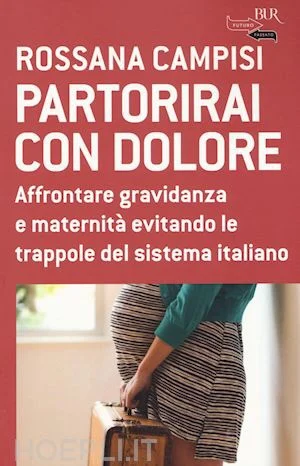
image.jpg

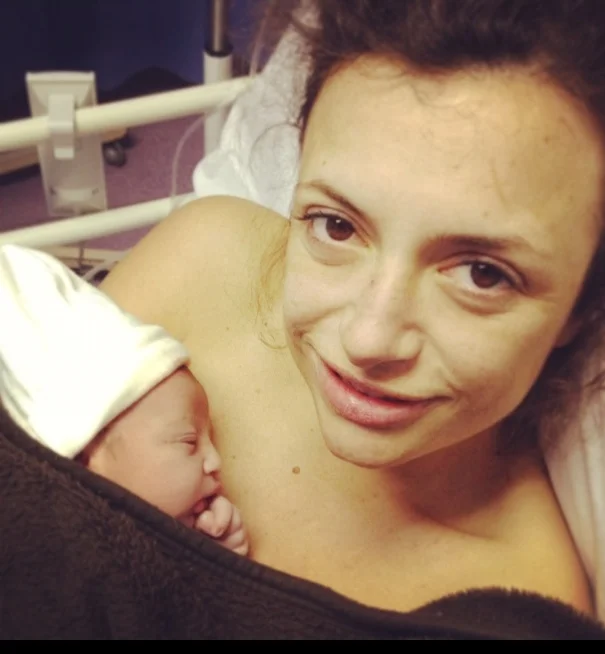
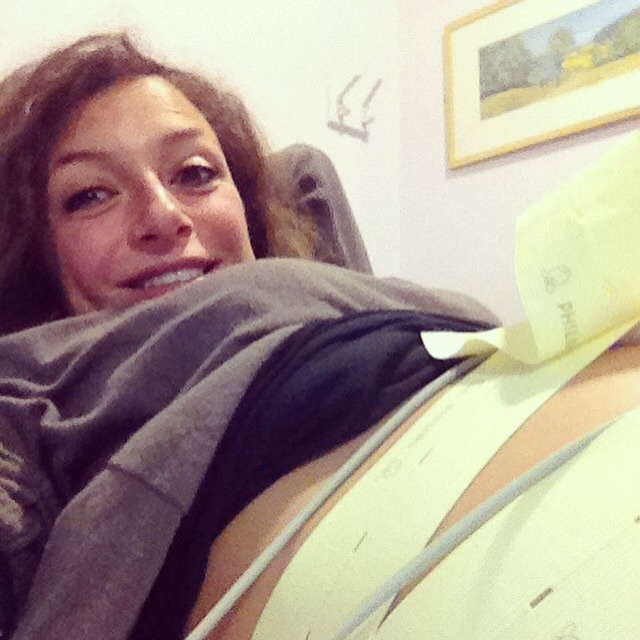
Dopo una gravidanza perfetta in cui non sono mai stata visitata da un ginecologo, assistita dal protocollo non-interventista dell’NHS (il sistema sanitario inglese) e rassicurata da tutti che avrei sparato fuori la pupa a razzo “perché il tuo corpo sa cosa fare”, sono stata in travaglio per QUATTRO giorni. I primi tre ingurgitando paracetamolo e codeina, unico antidolorifico prescritto dall'NHS. Quando sono riuscita a conquistare finalmente un letto d’ospedale – dopo aver dimostrato di essere a 3-4 centimetri di dilatazione – ho provato la piscina, ma alla fine mi è toccata la morfina, il gas&air e l’epidurale, concludendo comunque con un cesareo di emergenza in anestesia totale. Per nove mesi mi ero immaginata tutta un’altra storia. Io nella piscinetta dell’ospedale con All this and heaven too a tutto volume, mano nella mano al mio compagno, due spinte e tac, ho tra le braccia la mia bimba, io piango, lui piange, bacio. Invece il mio corpo, evidentemente, non sapeva cosa fare. E in sala operatoria non c’ero né io né il papà ad aspettare Mia. Non c’era musica né acqua a rendere il passaggio più dolce. Per fortuna, però, c’erano le persone giuste a prendersi cura di lei. Questo ho raccontato a Rossana. E che non credo che un cesareo mi renda meno madre della mia amica Rosanna che ha avuto un parto naturale. Né credo che chi fa l’epidurale sia meno madre di chi sceglie di soffrire fino alla fine. Tanto fa male lo stesso, se vogliamo davvero misurare la maternità col dolore. Invece io a quel dolore preferisco dare il significato che mi hanno insegnato a un corso pre parto: “pain is gain”, il dolore è una conquista. Perché più dolore senti, più sei vicino al momento in cui conoscerai tuo figlio. E’ per questo, forse, che tante madri vogliono raccontare quel dolore anche a chi non lo vuole sentire. Per condividere una delle esperienze più potenti della loro vita, che le ha ribaltate e fatto perdere il controllo del loro corpo, ma che ha soprattutto messo fine all’attesa di un grande amore. E allora non giudicatele male, sopportatele. Anche perché presto potreste essere voi a terrorizzare altre future madri._TIW

Why we need to tell future mums that it (bloody) hurts
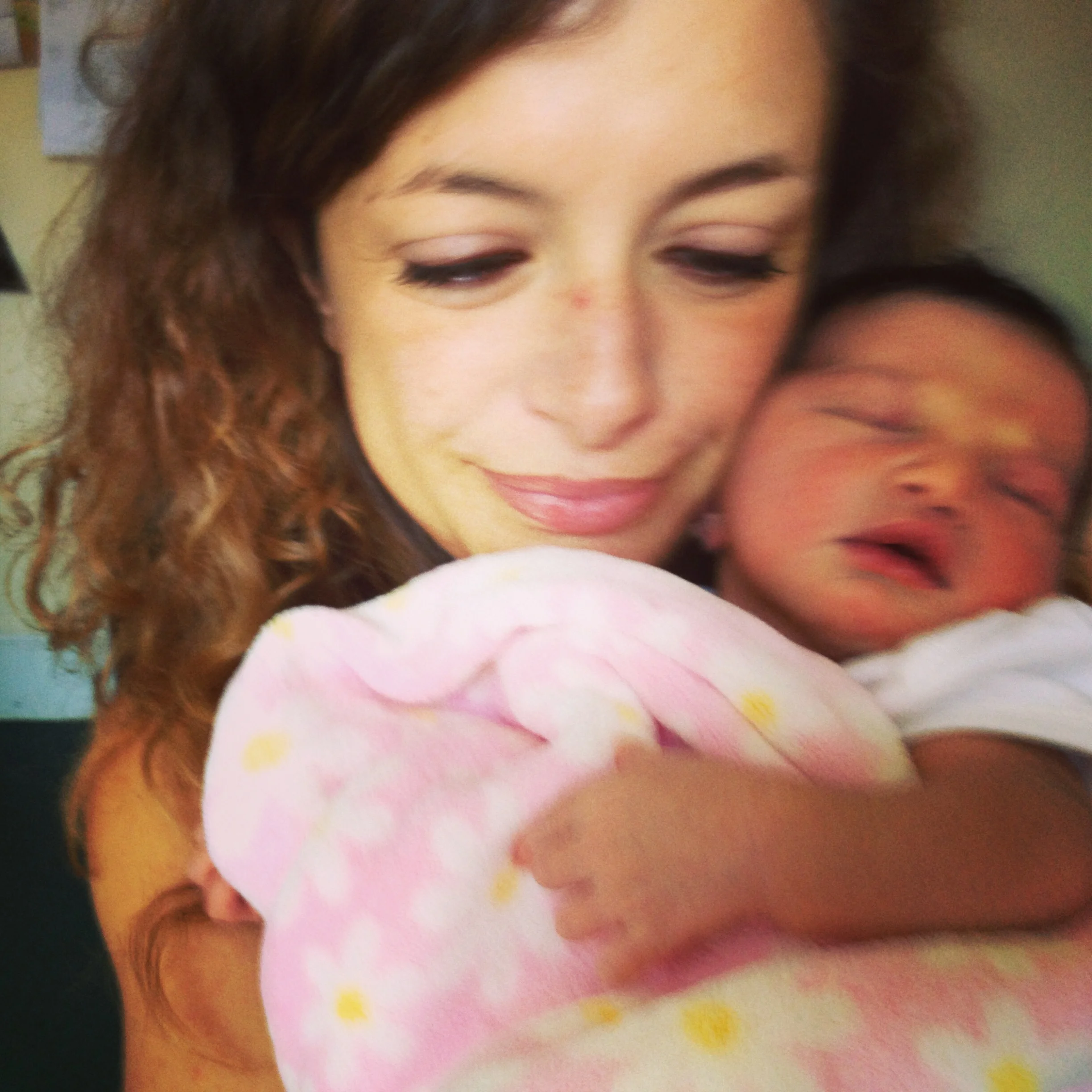
image.jpg

There is only one thing worse than mothers that terrorise future mums by telling them their horror stories on giving birth; future mums that will do exactly the same as soon as they give birth, terrorising the next round of mums.
It happened to me too. When pregnant, I hated all the women that told me their scary stories without being asked. Then I told my story to a stranger that wasn’t pregnant as far as I know, but that was about to write a book, With pain you will give birth. Rossana Campisi has collected data and associated emotions, faces and names of real women to them. She wanted to talk about motherhood and birth without the usual taboos, without being rhetorical and sentimental. Because there must be a truth beyond the “oh it was an incredible experience, utter, mystical” or “I though I was gonna die!” or “pain? What pain, you forget the pain” (I’ve even heard a woman saying that she had an orgasm while in labor, but she must be an incurable optimistic). The truth, I believe, is that giving birth is unpredictable, that’s why you cannot be prepared, and that is why it is so astonishing.
Among these women astonished by giving birth there is me, in London, with my hippie plan of water birth that ended up with an emergency c-section and me stuffed full of drugs; but there is also my friend-sister Rosanna that has given birth naturally on one of the smallest islands of the Canaries, without an epidural. Twice (she’s always been luckier than me).

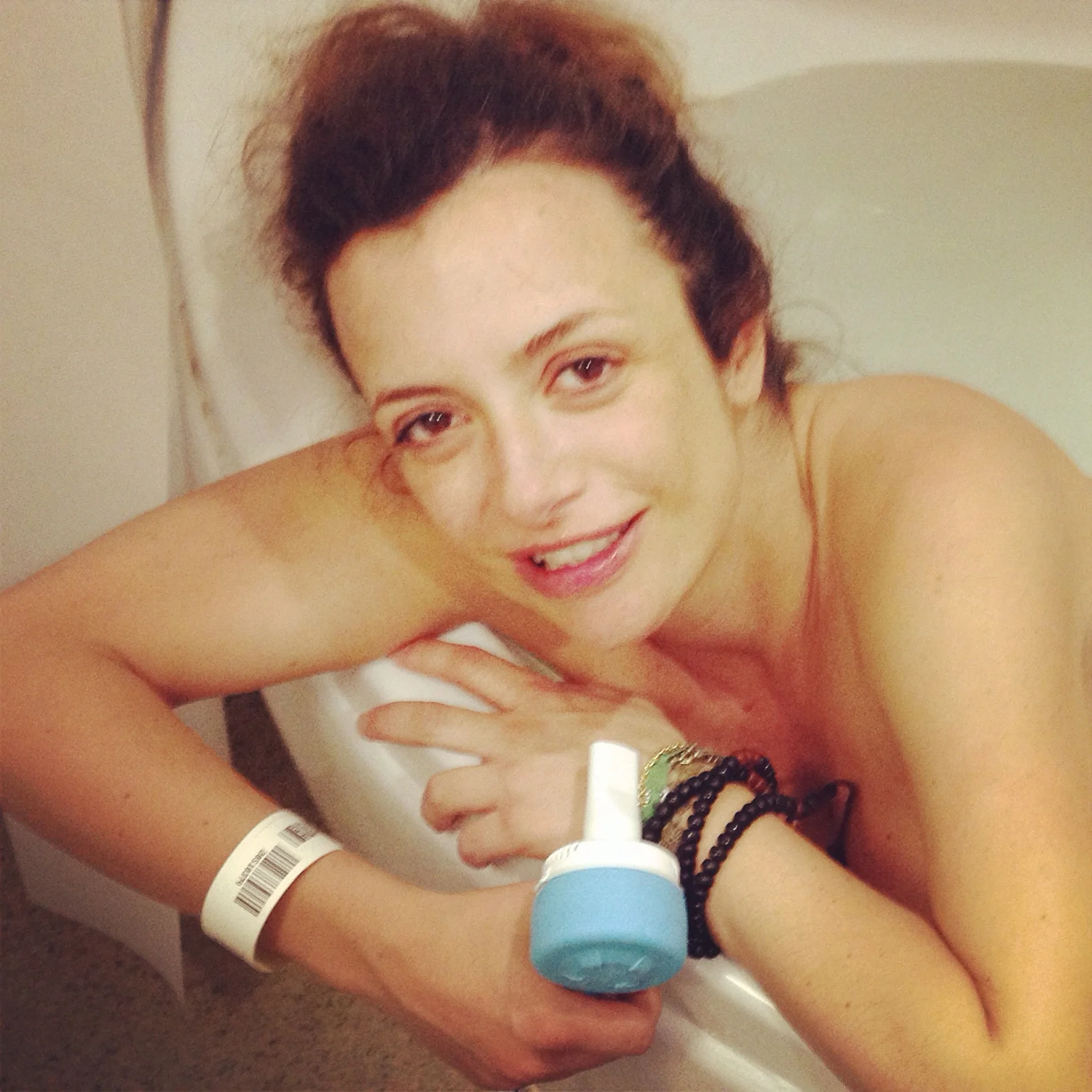
After a perfect pregnancy without needing gynaecologist a single time, assisted by the non-interventionist NHS protocol and reassured by everyone that I would have pushed the baby out with a few pushes "because your body knows what to do", I was in labor for FOUR days. The first three swallowing paracetamol and codeine, the only painkiller prescribed by the NHS. When I finally managed to win a hospital bed - after proving to be 3-4 centimeters dilated - I stayed in the pool, but in the end I had to take morphine, gas & air and an epidural, and nothing stopped me from having an emergency caesarean under general anaesthetic. For nine months I had imagined a complete different story. I had imagined myself in a pool with All this and heaven too playing loud in the background, hand in hand with my partner, two pushes and tac! I have my baby in my arms, I cry, he cries, we kiss. But my body, obviously, did not know what to do. And neither her dad or I were in the operating room waiting for Mia when she came out. There was no music and no water to make the transition smoother. Fortunately, though, there were the right people to take care of her. This is what I told Rossella. And that I don’t believe a cesarean has made me less of a mother than my friend Rosanna that had a natural birth. Nor do I believe that anyone who gets an epidural is less of a mother than those who chooses to suffer until the end. It hurts anyway, if we really want to measure maternity with pain. Instead I prefer to give that pain the meaning that I was taught in an antenatal class: “pain is gain”. Because the more pain you feel, the closer you are to the time when you will meet your child. That’s why, maybe, mothers want to tell their pain stories to those who don’t want to hear them. To share one of the most powerful experiences of their lives, that has turned them upside down and made them lose control of their bodies, but that has also ended the waiting for a great love. So please don’t judge them, forgive them. Because soon it might be your turn to terrorise other mothers._TIW


July 14, 2015 /Daria Simeone
parto, c-section, antenatal class, canarie, incinta, labor, rossana campisi, gravidanza, london, travaglio, pain, londra, maternità, cesareo, birth, nhs, motherhood, pregnancy, partorirai con dolore, dolore
4 Comments


God save the gas&air. The evidence that I have been in the pool

God save the gas&air. The evidence that I have been in the pool

Partorirai con dolore, attaccati al tubo del gas

March 24, 2015 by Daria Simeone

Fino a 13 anni mi hanno promesso che sarei diventata altissima. Addirittura un cugino medico argomentava la previsione con osservazioni scientifiche: <Perché hai un sacco di ormoni maschili. Hai il pomo di Adamo>. Quando sono arrivata a 1 metro e 59 e ci sono rimasta per un anno, poi due, tre, al quarto mi sono rassegnata al fatto che le previsioni sono cazzate. Una preghiera a mia nonna mi ha fatto arrivare a 1.60.

Con congetture paracule simili, quando ero incinta, le mie compagne di palestra e di panza mi hanno assicurato che avrei sparato fuori la pupa a razzo, dopo un paio d’ore di spinte ginniche. <Perché sei in forma, il tuo corpo sa cosa fare> dicevano con il piglio dell’ostetrica navigata con un passato da personal trainer dei Marines. Quindi sono stata in travaglio per QUATTRO giorni. I primi tre aggrappata a una scatoletta di paracetamolo e codeina, unico antidolorifico prescritto dall'NHS. Ma a parte il mio problema col paracetamolo, la verità è che per 9 mesi di panza ho idolatrato l’approccio naturalista alla gravidanza del Sistema Sanitario Inglese.

  • In Italia si fa un’ecografia ogni mese, qui se ne fanno due, a 12 e 20 settimane. Al massimo una terza a 31 se proprio mostri ansia in eccesso. Quindi io l’ho fatta.
  • Fino a 12 settimane non sei incinta per l’NHS. Però se magari inizi a ridurre l’alcol, è meglio.
  • L’amniocentesi non te la consiglia mai il ginecologo.
  • Perché non c’è il ginecologo.
  • Ci sono le midwives, che credo siano ostetriche.
  • Non vedrai nessun dottore, almeno fino all’epidurale o al cesareo. O alla morte.
  • E quindi nessun dottore vedrà la tua discomfort zone. Mia cognata è arrivata in ospedale con le doglie e quando l’ostetrica le ha chiesto il PERMESSO per farle un’ispezione interna lei ha aperto la bocca.
  • Fino a 4 centimetri di dilatazione non stai partorendo. Quindi non provare a presentarti in ospedale credendo di essere in punto di morte, ti rimbalzeranno.
  •  I test per la toxoplasmosi e il citomegalovirus non esistono. Troppo difficili da pronunciare.
  • Per fare l’epidurale non c’è bisogno di nessun’analisi preventiva “tanto se dovessi reagire male sei già nel posto migliore per essere salvata”. Non fa una piega.
  • Il cesareo è sempre di emergenza. A meno ché tu non abbia 5mila pound per programmarlo.
  • Emergenza vuol dire più o meno che stai schiattando. O il bambino. O tutti e due.
  • L’epidurale è l’ultima spiaggia che ti viene proposta solo dopo aver provato paracetamolo, piscina  - perché l’acqua aiuta (ma aiuta chi?) - , petadina (morfina: le uniche 4 ore della mia vita in cui non sono stata ansiosa), gas&air ovvero l’inalatore che ti ubriaca, e ipnosi.  

Non essendo io naturalista, ma piuttosto ipocondriaca e medicina-dipendente, sono stata punita per essermi illusa che avrei potuto finalmente affidarmi alla Natura, al mio corpo-che-sa-cosa-fare, all’ostetrica, alla piscina echitebbib. No, all’ipnosi no. Quindi dopo i quattro giorni di travaglio, le preghiere a nonna e a qualche altro parente, il paracetamolo, la petadina, il gas&air e l’epidurale sono finita con un cesareo di emergenza che ha fatto scattare tutte le sirene dell'ospedale, in anestesia totale. Insomma quando mi hanno dimesso ero ormai una tossicodipendente._TIW 

There is nothing more natural than a c-section

image.jpg

Until I was 13, I was told that I would become very tall. A cousin doctor supported the prediction with scientific observations, 'You have a lot of male hormones, look you have an Adam's apple!'. When I reached 1.59 meter and stayed there for a year, then two, then three, on the fourth year I gave up and came to the conclusion that all predictions are crap. A prayer to my grandmother got me to 1.60.

meandmia.jpg

With similar parascientific conjectures when I was pregnant, my gym and bump fellows used to assure me that I would shoot out the baby like a rocket after a couple of hours of athletic thrusts. 'Coz you are fit, your body knows what to do' they said with the attitude of a sailed midwife with a past as a personal trainer for the US Marines. Then I was in labor for FOUR days. The first 3 of which I was holding on to Paracetamol and codeine tablets, the only painkiller the NHS would prescribe me. Besides my problem with Paracetamol, the truth is that for 9 months of pregnancy I idolised the NHS naturalist approach to giving birth, arguing internationally with anyone who criticised it.

  • In Italy you do a scan every month, here only at 12 and 20 weeks. Sometimes also at 31, but only if you show an anxiety excess. So I had it.
  • Up to 12 weeks you are not pregnant for the NHS. But maybe if you start to reduce the alcohol, it is better.
  • Amniocentesis is never recommended by gynaecologists.
  • Coz' there aren't gynaecologists.
  • There are the midwives that I think are obstetrics.
  • You will not see any doctors, at least until you need an epidural or cesarean. Or you are dying.
  • And then no doctor will see your private area. My sister in law went to the hospital with labor pains and when the midwife asked her PERMISSION for an internal inspection she opened her mouth!
  • The tests for toxoplasmosis and cytomegalovirus do not exist. Too difficult to pronounce.
  • To have an epidural you do not need a blood test "coz if you react badly to it you are already in the best place you could be". Basically they will try to save you.
  • The C-section has to be an emergency. Unless you have 5 thousand pounds  to spend on it
  • Emergency means you're dying. Or the child is. Or both.
  • The epidural is the last resort that you are offered only after trying paracetamol, pool - because the water helps (but it helps who?) -, pethadine (morphine: the only four hours of my life where I was not anxious), gas & air (the inhaler that makes you drunk) and hypnosis.

Not being a naturalist, but rather hypochondriac and medicine-addicted, I have been punished for having believed that I could finally trust Mother Nature, my body-that-knows-what-to-do, the midwife and the pool. No, hypnosis never. So after four days of labor, prayers to grandma and other relatives, paracetamol, pethadine, gas & air, an epidural I ended up having an emergency cesarean under general anaesthetic that triggered all the sirens in the hospital. Basically by the time I was discharged I had become a junkie._TIW


March 24, 2015 /Daria Simeone
c-section, doctor, cesareo, gas&air, ospedale, ostetrica, medico, epidural, sistema sanitario inglese, pethadine, nhs, toxoplasmosi, gravidanza, birth, hospital, mamma, mother, epidurale, pregnancy, toxoplasmosis, midwife, parto, anestesia totale, ginecologo, gynecologist, petadina
12 Comments


Subscribe by Email