The Italian Wife

London explained by a very Italian villager adopted by a very multiethnic family

  • New Page
  • Blog
  • About
  • Contact
  • Subscribe by email
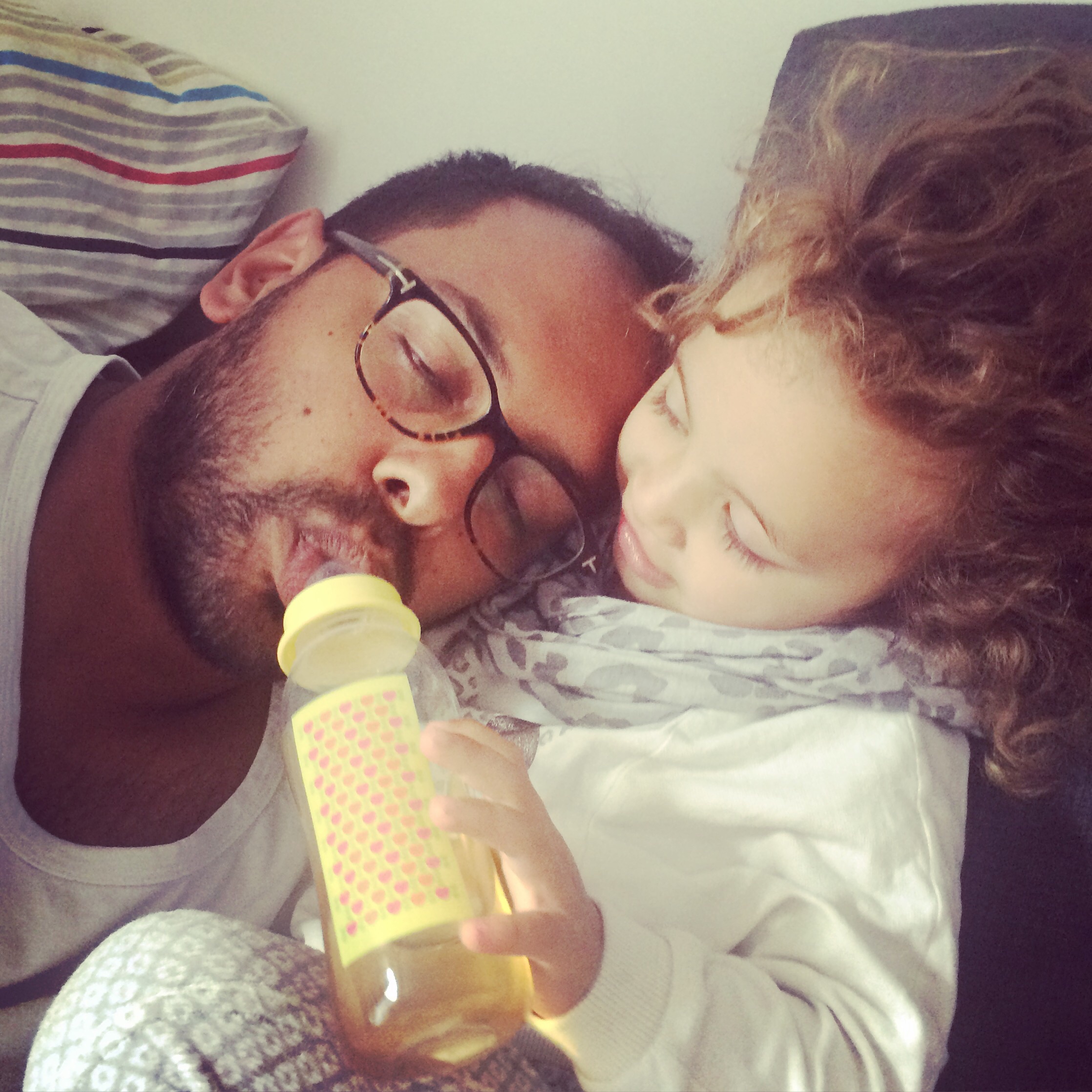
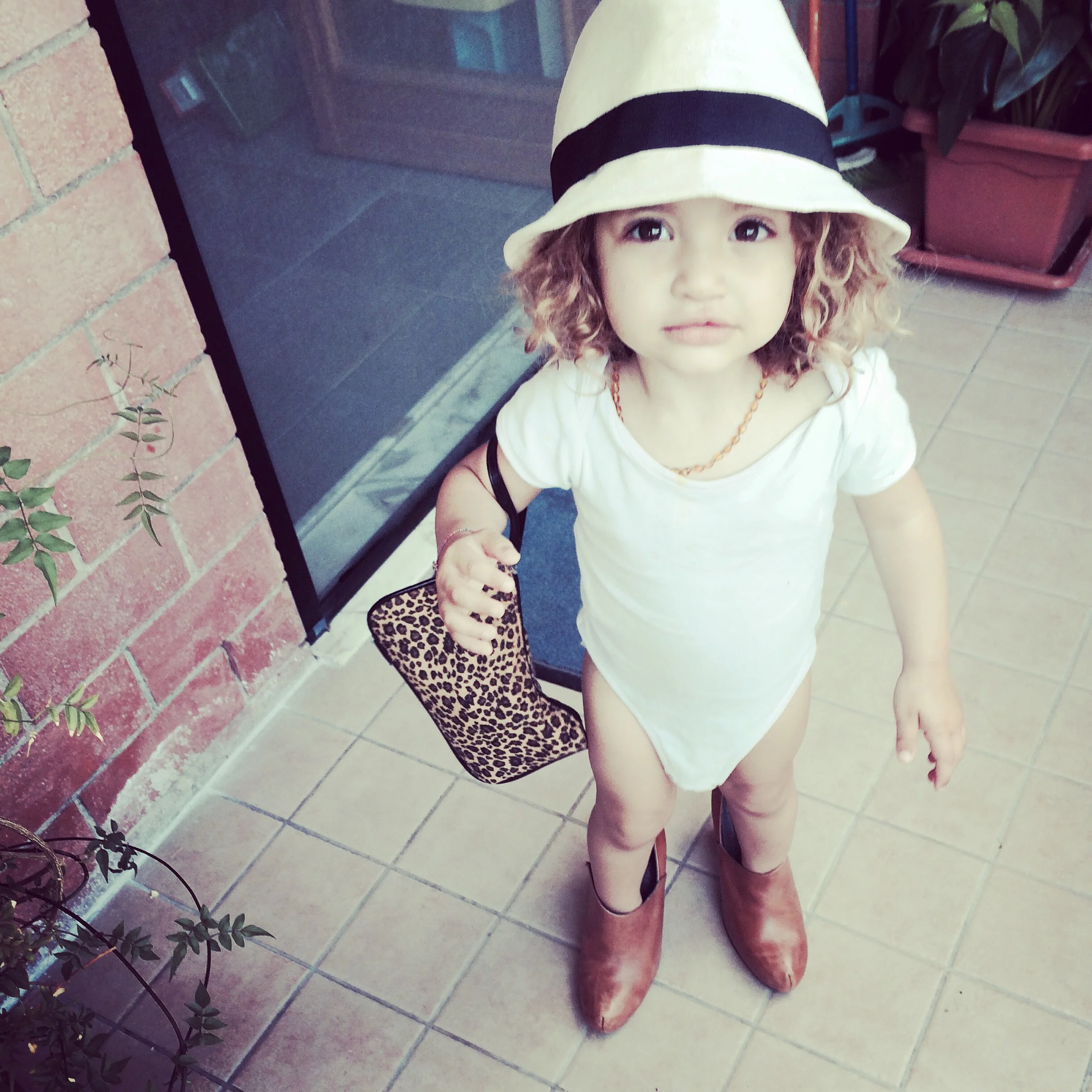
Mia in her auntie's boots

Mia in her auntie's boots

Ora che sai metterti le scarpe da sola (storte), tocca a te

August 21, 2015 by Daria Simeone

Qualche settimana fa ero in coda al bagno di un ristorante qui a Londra. Davanti a me una signora affascinante, una di quelle che mi piacerebbe essere a 50 anni, a parte il capello lungo fino a metà schiena che non perdonerei neanche a Beyoncé 50enne. Dal bagno esce una quasi ventenne per niente affascinante e le dice, col tono apocalittico di Guccini in Noi non ci saremo: <Oddio mamma, avevo portato in borsa un rotolo di carta igienica apposta! E indovina? Mi sono pulita con la carta igienica che era nel bagno!>. E sticazzi? Avrei risposto io 50enne. La mamma invece è rimasta zitta guardandomi con lo sguardo "giuro, non so perché mi sia uscita così, io ce l'ho messa tutta". Che è un po' lo sguardo di mia madre quando parla di un libro e mi fa: l'hai letto no? O lo ha letto tua sorella? E io le rispondo sempre: mia sorella. 

Insomma prima di diventare mamma notavo le coppie scoppiate: Come fa quel figo a stare con quella cessa? E viceversa. Ora noto i figli scoppiati, ovvero che non c'entrano un cazzo coi loro genitori. Come mia figlia, che vuole mettersi sempre il pigiama, nonostante sua zia le abbia comprato un guardaroba che io a 37 anni posso solo sognare.
Cosa c'entri tu, bambina sempre in pigiama, con me che non metto il pigiama neanche per andare a dormire? Cosa c'entri tu che ti sei già guadagnata il soprannome "la terrorista" con me che da piccola ero così buona che mi dicevano che ero nata vecchia? Cosa c'entri con me che sorrido a tutti, tu che ti rifiuti di baciare i grandi? Cosa c'entri tu che mangi le costolette di agnello fino all'osso, con me che lascio sempre tutta la carne vicino? Cosa c'entri tu che sei prepotente con gli altri bambini, con me che se lo fossi stata un po' di più nella vita, male non sarebbe stato? Cosa c'entri tu che ti arrampichi dappertutto urlando "monkeyyyyy" con me che ero soprannominata "prudentina"? 

Niente, forse non c'entri niente. Perché, come scriveva Kahlil Gibran "I vostri figli non sono figli vostri... Dimorano con voi, tuttavia non vi appartengono. Potete dar loro il vostro amore, ma non le vostre idee. Potete dare una casa al loro corpo, ma non alla loro anima, perché la loro anima abita la casa dell'avvenire che voi non potete visitare nemmeno nei vostri sogni".
E così mentre cerco in mia figlia somiglianze e appartenenza, trovo differenze e indipendenza. Ancora di più ora che Mia ha iniziato a mettersi le scarpe da sola (storte), a scegliersi i vestiti da sola (i pigiami), a fare pipì da sola nel vasino (solo una volta al giorno, noi siamo per l'approccio graduale). Ora che non mi lascia più fare tutto, ora che inizia a tenersi delle cose per sé. "Stay mummy, stay" mi dice se provo a intervenire. "Ah mà, e mollami" tradotto. Ora che dice "My turn", "Tocca a me" e fa le cose a modo suo. Ora che ha la possibilità (e il diritto) anche di sbagliare.

Quindi, ex palletta di lardo che sei diventata una bimba muscolosa con la schiena liscissima, mi sa proprio che la nostra simbiosi è finita. L'ho maledetta, l'ho amata, non la dimenticherò mai. E ora tocca a te, sorprendimi, fammi anche un po' vergognare come la mamma del bagno se ce n'è bisogno. Fino ad ora quello che sei diventata mi piace un sacco._TIW

Now that you can put your shoes on (on the wrong foot), it's your turn 

Mia in pigiama

Mia in pigiama

A few weeks ago I was queuing for the toilet in a restaurant here in London. In front of me stood a charming lady, one that I'd like to look like when I'm 50 years old, apart from having hair down to the middle of her back, something I would not even forgive a 50 year old Beyoncé for. A twentyish year old girl comes out of the toilet and announces, with the apocalyptic tone of Thom Yorke in Idioteque: "Oh mom, I put a roll of toilet paper in my bag! And guess what? I used the toilet paper that was in there!". "Who gives a shit" my 50 years old self would have answered. Her mother however, remained silent and gave me a stuttering "I swear I do not know why she came out with that, I've tried my best with her!" look. It was a bit like the gaze my mother gives me when she talks about a book and says: you read it right? Or did your sister read it? And I always answer: my sister.

Before becoming a mother I used to notice unlikely couples: How can that hottie be with that troff? Now I notice unlikely children. Children that have nothing in common with their parents. Like my daughter, who always wants to put on her pyjamas whenever we go out, despite her auntie having bought her a wardrobe the likes of which I have not managed to put together in 37 years. What do you, little girl always in pyjamas, have in common with me that has never worn pyjamas, not even to sleep in? You that have already earned the nickname "the terrorist" while as a child I was so good that people used to say that I was born old? What do you share with me if I smile at everyone, while you refuse to kiss the adults? You that devour lamb chops till the bone, where as I am always told "you have left more meat on that bone that you have eaten!"? You that bully other children, while if I had been a bit 'more overbearing in life, it would've not be bad? What do you share with me if you hang off bars on the underground while screaming "monkeyyyyy", when my nickname was "prudence"?

Nothing, or we might share very little. Because as Kahlil Gibran wrote: "Your children are not your children... And though they are with you yet they belong not to you. You may give them your love but not your thoughts. You may house their bodies but not their souls, for their souls dwell in the house of tomorrow, which you cannot visit, not even in your dreams".
So while I look for similarities and belonging in my daughter, I find differences and independence. Even more now that Mia puts her own shoes on (on the wrong feet - on purpose), chooses clothes (pyjamas) by herself, wees in the potty by herself (only once a day, we are for the "gradual" approach). Now that she won't let me do everything, now that she begins to keep things to herself. "Stay mummy, stay" she tells me if I try to intervene. Now that she says "My turn" and does things in her own way. Now that she has the chance (and the right) to make mistakes.

So, my once fat little ball now muscly little girl with the smoothest back, here we go. I think our symbiosis is over. I hated it, I loved it, I will never forget it. Now it's your turn, surprise me, make me feel a bit ashamed like that mother at the toilet did if you need to. For now I love all that you have become._TIW
August 21, 2015 /Daria Simeone
maternità, motherhood, italian wife, crescere, growing up, toddler, terrible twos, 2enni, figli, children
4 Comments


Spritz aspettando la partita dell'Italia ai Mondiali del 2014 in un bar di Londra

Spritz aspettando la partita dell'Italia ai Mondiali del 2014 in un bar di Londra

Solo gli Italiani (che vivono in Italia) possono parlar male dell'Italia

August 09, 2015 by Daria Simeone

Una mia amica del cuore qualche tempo fa sosteneva che i rosiconi sono la peggiore specie. Seguita dai permalosi. Io le confessavo di essere molto permalosa e un po' rosicona. Per fortuna mi vuole bene e resterà mia amica. Dal basso della mia permalosità capisco i tanti italiani che diventano permalosi - e un po' rosiconi - quando ci toccano la Madreh Patriah.

L'ultima volta è capitato ieri sera. Ero su la Rambla del Poblenou a Barcellona in compagnia di amici e mendicanti. Una processione niente male, alcuni chiedevano 50 centesimi e portavano delle scarpe da ginnastica migliori delle mie. Comunque, siamo finiti a parlare di senzatetto. Notavo quanti ce ne fossero a Barcellona, ma anche a Roma e Milano. "Ah beh a Londra non ce ne sono perché con quel tempo di merda morirebbero di reumatismi" mi ha risposto prontamente un compatriota, prima ancora che tirassi in ballo la città in cui vivo. 

Così come i cani randagi che secondo un mio collega italiano non esistono in Inghilterra perché finiscono tritati nel Christmas pudding. Oppure quando si parla dei negozi che, dove sono nata io, non fanno orario continuato "perché da noi tra le 13 e le 17 fa caldo, se esci per andare in un negozio ti dissolvi al sole come un lemonissimo". E d'inverno? "Beh perché gli inglesi pensano solo a fare soldi, noi vogliamo pranzare tutti assieme come una vera famiglia che ha un tavolo su cui mangiare, mica come quei disadattati inglesi che mangiano sui divani". 

E la Svezia che ha i latte papas che possono prendersi un congedo di paternità proprio come le madri? "E sticazzi, tanto poi si suicidano tutti da quelle parti". 

Un'altra cosa tipica è: "E comunque che palle 'sti expat che parlano male dell'Italia come se avessero trovato la terra promessa: bravi, restatevene pure lì".  

Oppure: "Qui si cerca di mettere l'Italia in cattiva luce per screditare Renzi".  

Italiani permalosi (come me), una cosa: MA CHI SE NE FOTTE DI RENZI.  

Anzi due: non è che il congedo di paternità, in Inghilterra o in Svezia, l'ho ottenuto io dopo estenuanti lotte e proteste in piazza. Non è un mio merito di cui mi posso vantare. E'un esempio, un buon esempio, a cui non farebbe male guardare. Ciò non toglie che ci sono cose del Regno Unito che mi hanno indignato, a parte il tempo di merda intendo. Come il potere quasi mafioso degli agenti immobiliari, la regolamentazione del mercato del lavoro così liberale da essere spesso crudele. Su tante cose potremmo vantarci di essere migliori, ma non faremmo altro che il "gallo 'ncoppa 'a munnezza", tradotto: non possiamo usare le debolezze altrui per distrarre l'attenzione dalle nostre.  

Gli expat, poi, non è che smettono di essere italiani solo perché vivono altrove. Non sono alieni, non appartengono ad un'altra categoria umana. Non raccontano i cazzi loro per screditare Renzi (chi?) o l'Italia. L'Italia sono anche loro. E soprattutto, statene pur certi, quando c'è da difendere l'Italia dagli "attacchi dello Straniero" sono i primi a farlo. 

a) perché solo gli italiani hanno il diritto di parlare male dell'Italia, non ci allarghiamo.

b) perché sono permalosi, proprio uguali uguali a voi. 

c) perché per molti di loro la terra promessa è ancora l'Italia._TIW

Italy is messed up, but only Italians (that live in Italy) can say that

A very good friend of mine, some time ago, was saying that grudging people are the worst, followed by touchy people. I confessed then that I am very touchy and just a bit grudging. She loves me so much that she will see passed that and stay my friend.

From the bottom of my touchiness I understand the many Italians that get touchy - and a bit grudging - every time somebody attacks their darling Homeland. 

Last night I was on the Rambla del Poblenou in Barcelona with some friends and lots of beggars. Some of them were wearing better trainers than mine. Anyway, we started talking about the homeless, and I noticed how many there are in Barcelona, but also Rome and Milan. "Well in London there aren't as many because they would die from rheumatism in that shitty weather!" promptly replied a compatriot before I even mentioned the city I live in. 

Same for wild dogs, an Italian colleague of mine says that there are no wild dogs in Uk because they end up minced in the Christmas Pudding. And in reference to the shops that, in many Italian cities, close between 1.30pm and 4.30pm "it's too hot at that time in our country, you would melt in the sun like an ice lolly!". How about in winter? "Well British people are all about money, while we care about family more and want to have lunch together around a proper dining table, not like lunatic Brits that eat on a sofa!".

Swedish latte papas that can take paternity leave as long as mothers? "Screw that, they all commit suicide over there".

Another typical statement is: "Enough of these Italian expats that say bad things about Italy as if they have found the promise land somewhere else: good for you, stay there!".

Or also: "They say bad things about Italy to discredit Renzi".

Touchy Italians, listen to this: WHO CARES ABOUT RENZI.

Oh and also: If Sweden and the Uk have an amazingly long paternity leave is not because I fought for it, it's not thanks to me. It's just an example, a good example we could learn from. Nevertheless there are things in the Uk that shocked me, besides the "shitty" weather I mean. Like the dangerous power given to estate agents, or the liberal working market rules that are sometimes cruel. There are many things we could say we are better at, but to what end? We can't use others' weaknesses to distract ourselves from our problems. 

Also, expats are not less Italian just because they live somewhere else. They are not aliens, they don't belong to a different human category. They don't tell you about their lives to discredit Renzi or Italy. Because they are Italy too. And be sure that when there is a chance to take Italy's side against a stranger, they will be the first to do so. Because:

terra promessa

A) Only Italians have the right to criticise Italy, others beware.

B) They are touchy when it comes to their homeland, just like you.

C) For many of them the promised land is still Italy._TIW

August 09, 2015 /Daria Simeone
italiani all'estero, londra, italian wife, expats, italian in london, homeland, renzi, patria
1 Comment


image.jpg

Tutte avremmo bisogno di uno svedese (che faccia il padre)

July 28, 2015 by Daria Simeone

Mentre scrivo qui a Londra è praticamente novembre. Sotto la pioggia e con 13 gradi si incontrano ben poche persone abbronzate, e quando le incontri le invidi inevitabilmente. "Dove sei stata, a Formentera eh? Maldive? Ponza? Salina? Olbia?"
“Sono stata a Perugia al concorso della Rai – mi ha risposto una - e il sole era così forte che solo ad aspettare che il test iniziasse mi sono abbronzata”.
Ah, ok.
“Sono stata a un matrimonio in Svezia – mi ha detto un’altra - e il tempo era bellissimo, siamo stati persino in spiaggia”.
C-O-S-A?! Ma in Svezia non nevica 10 mesi all’anno? In spiaggia col clima subpolare?

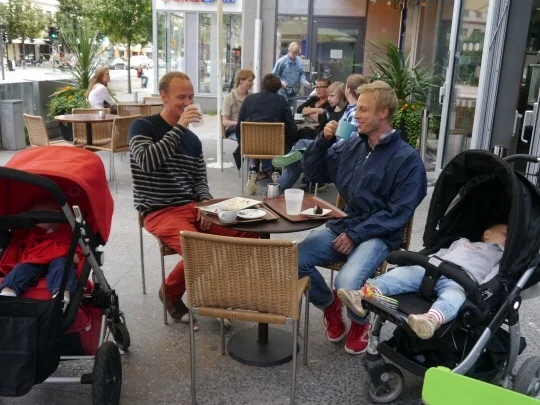
A quanto pare persino in Svezia è estate, almeno per qualche giorno. Ciò appreso, è crollata l’ultima remora che mi tratteneva dal trasferirmi nella patria dei “latte papas”, anche detti lattepappors. In Italia, se esistessero, li chiameremmo casalinghi. In Inghilterra stay-at-home-dads, i padri-che-stanno-a-casa. Il primo fa pensare a detersivi e spugnette, il secondo a mariti depressi, a casa tutto il giorno col grembiule addosso ad aspettare che le mogli rientrino per raccontare loro cosa succede nel mondo che va avanti senza di loro. Invece gli svedesi, che notoriamente non sono campioni nel nominare i mobili dell’Ikea, hanno dato il nome giusto almeno a questi padri che, durante il loro (lunghissimo) congedo di paternità, si incontrano al bar con i pupi attaccati al collo come sciarpe sorseggiando un bicchiere di latte-macchiato. Ed ecco che fare il “latte papa” diventa subito glamour. Certo nessuno si è mai sforzato di trovare una definizione glamour anche per noi donne in maternità, ma va detto che quello che succede in Svezia va al di là di qualunque definizione glamour ed è abbastanza speciale.

  • La Svezia, tanto per cominciare, è al quarto posto nel Global Gender Gap Index 2014 che misura l’uguaglianza dei sessi in tutti i Paesi. Da italiana abituata al momento-vergogna ogni volta che scorro questo genere di classifiche cercando l’Italia, nessuna sorpresa a trovarla 69esima. Il Regno Unito è al 26esimo. Ai primi tre posti Islanda, Finlandia e Norvegia.
  • In Svezia 13 ministri su 24 sono donne. E nessun giornale perde tempo a parlare di come si vestono (e non perché non siano fighe quanto la Boschi).
  • Ai genitori vengono dati 16 mesi di maternità da dividersi a piacere (purché ognuno faccia un minimo di 60 giorni). 390 di questi giorni sono pagati all’80%.
  • Le spese per l’assistenza all’infanzia sono quasi totalmente a carico dello Stato e il massimo che una famiglia può arrivare a spendere è il 3% del proprio reddito. In media, per un bambino, una famiglia non spende più di 150 euro al mese, gli asili sono aperti tutto il giorno e la notte, per i genitori che fanno i turni.
  • L’educazione, università inclusa, è gratuita.
  • Ad aprile la Swedish Academy (che promuove la lingua svedese) ha introdotto un nuovo pronome neutro, “hen” in modo da poter evitare di usare “han” o “hon” – lui e lei – in situazioni in cui non c’è bisogno di specificare il genere. 
  • Le tasse arrivano al 56,6% e nessuno se ne lamenta perché, tutto sommato, considerando quello che ricevono in cambio dallo Stato è un ottimo affare.
image.jpg

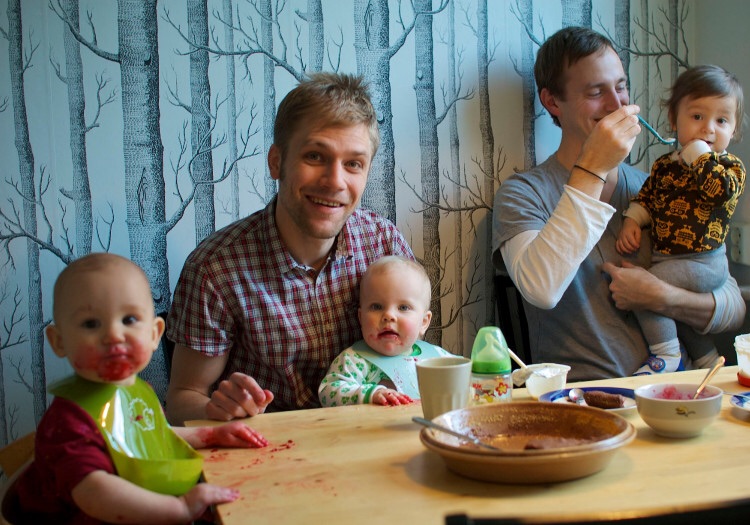
E’ per questo che i latte papas non sono una moda, né un esperimento. Sono una realtà. Sono padri a cui lo Stato dà una possibilità, quella di scoprire quanto sia tosta prendersi cura di un figlio che non ha pietà di loro quando sono stanchi o hanno la man-flu, e che non capisce perché non si possa giocare, cucinare e disegnare contemporaneamente. Un giornalista inglese che ha fatto il latte papa a Malmo per 6 mesi ci voleva scrivere un libro, ma in quei mesi è riuscito a stento scrivere una riga. Ai latte papas, però, viene data soprattutto la possibilità di provarci. Di provare a preparare la cena facendo pernacchie, far volare un aeroplano in soggiorno e ballare il valzer in corridoio con il loro bimbo, tutto contemporaneamente. E guai a chi dice che stanno provando a fare le mamme: stanno provando a fare proprio i papà. 

In Italia, con un solo giorno di congedo parentale obbligatorio e due facoltativi, la strada per avere dei “caffè espresso papà” che possano provarci è ancora lunga. Gli inglesi, invece, con un paternity leave estendibile a 26 giorni e la possibilità di “maternità condivisa” dal 5 aprile scorso si stanno avviando ad avere anche loro dei “cappuccino dads”. E c’è già chi propone di andarsi a fare piuttosto una birra. Magari la Guinness, dice che stimola la produzione di latte._TIW

Latte Papas from Sweden: who said nothing is like a mother?

image.jpg

As I write in London is basically November. In the rain and 13 degrees you don't meet many tan people. When you do you get envious "So, where have you been, Formentera uh? Maldives? Ponza? Salina? Olbia?"
“I was in Perugia. Competing for a job at RAI – one said - the sun was so strong that I tanned whiles waiting to take a test."
Ah, ok.
"I was at a wedding in Sweden - said another - and the weather was beautiful, we went to the beach." WHAT?! But doesn’t it snow for like 10 months a year? On the beach? With subpolar weather conditions?
Apparently even Sweden have a summer, for at least a few days. Learning this fact, the last obstacle that stopped me from moving to the home of the "latte papas" or lattepappors was removed. In Italy, if they existed, we would call them house-husbands. In Uk stay-at-home-dads, suggesting that these depressed men are at home all day wearing an apron and waiting for their wives to come back and tell them what happens in the outside world. The Swedes, instead, who are definitely not good at naming Ikea furniture, named aptly fathers who, during a (very long) paternity leave, meet at the bar with their babies worn as scarves attached to their necks while sipping a cup of latte. And here we go, being a latte papas is immediately glamorous. Of course no one ever tried to find a glamorous definition for women on maternity leave, but it must be said that what is happening in Sweden goes beyond any glamorous definition and is quite special.

  • Sweden, for a start, is in fourth place in the Global Gender Gap Index 2014 that measures gender equality in all countries. Being used to feeling ashamed every time I scroll this kind of chart looking for Italy, I wasn't surprised to find it holding 69th place. The UK is 26th. The first three places go to Iceland, Finland and Norway.
  • In Sweden 13 out of 24 ministers are women. Newspaper don't waste anyones time talking about how they dress.
  • Parents are given 16 months of parenting leave to be split as they choose (both must use at least 60 days). 390 days 80% of their pay.
  • Childcare is subsidised by the State, and is capped at 3% of a family’s income. On average, for each child, families rarely pay more than £113 a month. Nurseries are open all day and night to allow for shift work.
  • All education, including university, is free. 
  • In April, the Swedish Academy (the institution that promotes Swedish language) introduced a new gender-neutral pronoun “hen” to bypass the need to use “han” or “hon” – he and she – if it’s thought that knowing someone’s gender is unnecessary.
  • Taxes are 56.6%, and no one complains because, after all, considering what people receive in return from the government is a great deal.

That’s why latte papas are not just in fashion or an experiment. They are a reality. They are fathers that are given a chance to find out just how tough it is caring for a child that does not have mercy towards them when they are tired or have man-flu, and doesn’t understand why they cannot play, cook and draw at the same time. A British journalist who was a latte papa in Malmo for 6 months wanted to write a book about it, but he could barely write a line. Latte papas, though, have above all the opportunity to try. To try to make dinner blowing raspberries, to fly a plane into the living room and dance the waltz in the hallway with their child, all at the same time. Don't even think they are trying to be mothers, because they are just trying to be dads.
 In Italy, with only one day of paternity leave, and two more optional days, the "espresso papà" is still a long way away. The British, however, who have extended paternity leave to 26 days and with the possibility of Shared Parental Leave introduced on the 5th of April, are starting to have their own "cappuccino dads". Some are already going for a cheeky pint instead of a cappuccino. Maybe a Guinness, after all it does stimulate milk production._TIW


July 28, 2015 /Daria Simeone
padri, papà, fathers, dads, latte papas, svezia, svedesi, sweden, swede, maternità, madri, mums, mothers, children, figli, congedo parentale, maternity leave, paternity leave, Shared parental leave, gender
16 Comments


image.jpg

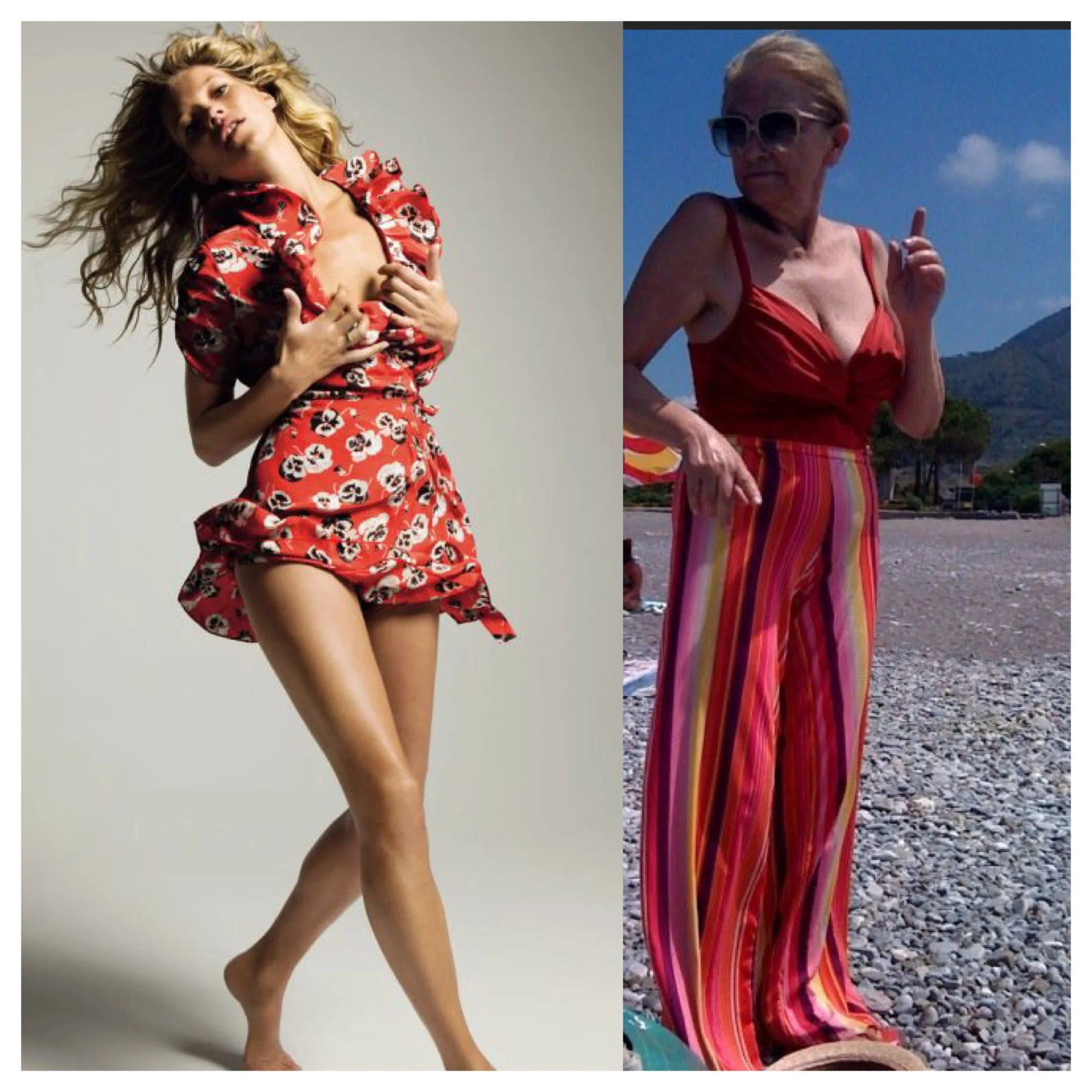
Una figlia 12enne non risparmia nessuna madre, manco Kate Moss

July 19, 2015 by Daria Simeone

“Non credo che Nick Kamen e Madonna facciano la cacca” era la mia teoria che spiegavo al mio amico Luciano sul finire degli anni Ottanta. Capita di pensarlo di quelli belli e famosi. Soprattutto se hai 7-8 anni e stai leggendo “Esplorando il corpo umano”, ma sei ferma ai fascicoli sui denti. A 37 anni, invece, studiato anche apparato digerente e intestino e assodato che tutti fanno la cacca, mi chiedo cose diverse, ad esempio se anche Giselle Bundchen, quando va in spiaggia coi figli, deve spingere una carriola di braccioli spaiati, secchielli senza manico, palette senza rastrelli, palle sgonfie e piscinette gonfiabili, con un salvagente attorno al collo e un mignolo che regge vasino e asciugamani. Il tutto grondando di sudore come soldato Palla di lardo in Full Metal Jacket.

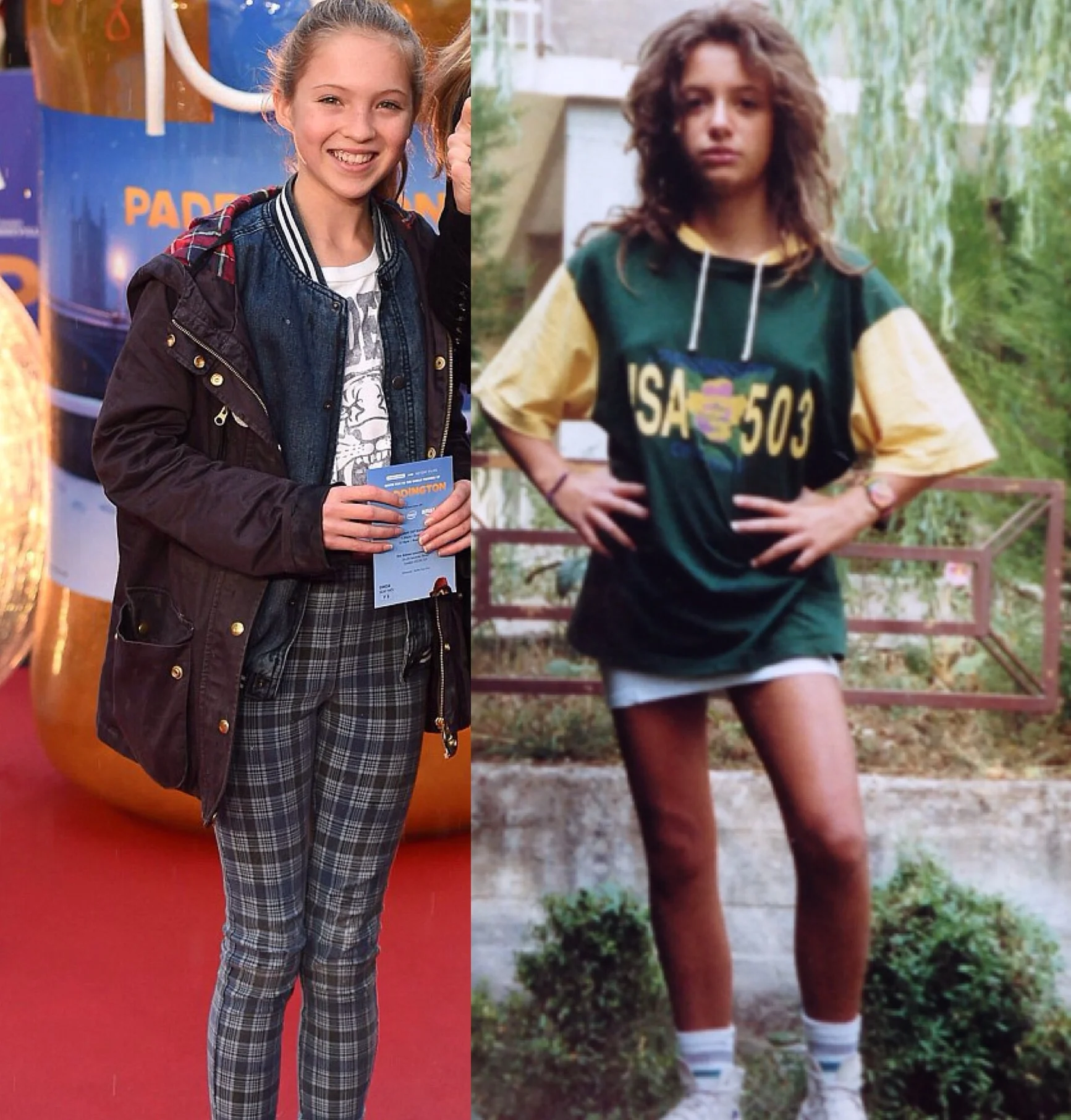
Dopo averla vista qui allattare il figlio, so che Giselle farà anche la cacca, ma di sicuro non suda e dubito che spinga carriole in spiaggia. In ogni caso avrà qualcuno che lo fa per lei. Perché io non sono Gisele, ma i bambini non erano tutti uguali? Ad esempio prendiamo la (ex) bambina di Kate Moss, Lila Grace. La biondina avrebbe costretto la sua “vecchia” a smettere di posare nuda perché – dice – la imbarazza.

Ora, per molti la notizia è che Kate Moss smetterà di posare nuda e non potremo più analizzare ogni centimetro del suo corpo chiedendoci come cazzo faccia a mantenersi così tonica se riesce a bere vodka liscia persino su un volo Easyjet. Per me invece la notizia è che Kate Moss imbarazza la figlia 12enne proprio come mia madre imbarazzava me 12enne. Certo, in maniera diversa da Kate Moss. Ad esempio quando chiamava “cameretta” la mia stanza davanti ai miei amici; quando – sempre davanti a loro - diceva che le Timberland e il Moncler li portavano i cafoni arricchiti. E ovviamente tutti i miei amici ce li avevano. Quando mi spiegava del preservativo e della pillola che io ancora giocavo con Sbrodolina.  Quando, per consolarmi del fatto che fossi un cesso inguardabile coi capelli a carciofo, diceva: è che a questa età non sei né carne né pesce. Non riesco a immaginare foto di mia madre nuda come Kate Moss in una pubblicità di Calvin Klein. Ma fino ad oggi facevo anche fatica ad immaginarmi che qualcuno potesse ritenere Kate “imbarazzante”. E invece Lila  - che non seguirà le orme materne come modella eal massimo proverà a diventare una stilista (ah beh) – ha detto, testualmente, che sua madre “è imbarazzante e dà fastidio proprio come tutte le altre mamme”. Quello che posso dire è che io con le 12enni non ci parlo, e considero coraggiosi tutti quelli che invece ci riescono, come mia sorella. Ma credo che quella sia l'età in cui è più facile provare vergogna. Soprattutto se tua madre, a 41 anni, viene scortata dalla polizia giù da un aereo perché ha bevuto troppa vodka. Mia madre, invece, al massimo sarebbe stata scortata dagli infermieri in preda a un attacco di panico/claustrofobia dopo un’overdose di pillole omeopatiche anti-ansia che ovviamente non hanno fatto effetto.

Allora vedi Lila, io non sono Gisele e mia mamma non è Kate Moss, ma io a 12 anni ero stronza proprio come te (in più ero frustrata perché ero un cesso). E stai pur certa che mia figlia Mia sarà anche più stronza di me e si vergognerà tantissimo quando la andrò a prendere a scuola vestita, al solito, come una patetica 20enne. Ma forse allora, finalmente, sarò costretta a parlare anche con le 12enni, e già so che non ci capirò assolutamente nulla. Pensare a te e a quella rompicoglioni imbarazzante di tua madre mi aiuterà. Grazie Lila._TIW

A 12 year old daughter doesn't spare any mum, not even Kate Moss

image.jpg

"I don’t think Nick Kamen and Madonna poo" was a theory I explained to my friend Luciano in the late Eighties. That is what you believe when thinking of those beautiful, talented and famous people. Especially if you are 7-8 years old and you're reading "Exploring the human body", but you're stuck on the dossiers about teeth. At 37, however, after studying the digestive system and intestine as well and come to terms with the fact that everybody poos, I ponder on different things, for example, if Giselle Bundchen, when she takes her children to the beach, has to push a wheelbarrow full of unpaired armbands, buckets without handles, shovels without rakes, deflated balls and inflatable wading pools, with a life preserver around her neck and her little finger holding a potty and towels. Dripping with sweat like the soldier Pyle in Full Metal Jacket.

After seeing her here breastfeeding, I know that Giselle might poo, but definitely does not sweat and I doubt she pushes wheelbarrows to the beach. I recon she has someone who does it for her. Because I'm not Gisele, but kids are all the same, aren’t they? For example, take Kate Moss’s (once) kid, Lila Grace. The blondie convinced her "old” folks to stop posing nude because - she says – it embarrasses her.

image.jpg

Now, for most of the people, the news is that Kate Moss will stop posing nude and we can no longer analyse every centimetre of her body, wondering how the hell she can stay so fit  considering that she cannot stay without drinking straight vodka even for an Easyjet flight. For me, the news is that Kate Moss embarrasses her 12-year old daughter just as my mum embarrassed me at 12. Well, not exactly in the same way I guess. For example when she called my bedroom "the baby room" in front of my friends; when - always in front of them – she said that only tacky rich kids would wear Timberland and Moncler. Obviously all my friends wore them. When she explained to me how to use condoms and the pill while I was still playing with Oopsie Daisy Doll. When, to console me from the fact that I was an artichoke-haired monster, she used to say “it is ok, at this age you are neither fish nor fowl”. Of course I cannot imagine my mother naked like Kate Moss in an advertisement for Calvin Klein. But until now I couldn’t’ imagine anyone calling Kate "embarrassing". And here comes Lila, that has not only announced she will not follow in her mum’s footsteps as a model - at best she will try to become a fashion designer (ah well) - but said, verbatim, that her mother "is embarrassing and annoying just like all other mothers". What I can say is that I do not speak with 12 year old girls, and I consider all those that do brave, like my sister. But I believe that is the age when it's easier to feel embarrassed. Especially if your mother, at 41, is escorted by police off a plane because she had too much vodka. But my mother would have at most been escorted off a plane in the throes of a panic/claustrophobia attack after an overdose of her homeopathic anti-anxiety pills that obviously didn’t work.

So Lila, I'm not Gisele and my mum is definitely not Kate Moss, but when I was 12 years old I was a bitch just like you (maybe more from the frustration of being a monster). And be sure that my daughter Mia will be even more bitchy and ashamed of me every time I pick her up from school dressed pathetically like a 20 year old. But maybe then, finally, I'll have to speak to 12 years old girls, and I'm sure I won't be able to understand them. Thinking of you and of your annoying and embarrassing mum will help me fell better. Than you Lila._TIW

July 19, 2015 /Daria Simeone
lila grace moss, teenager, maternità, 12enni, mum and daughter, girls, 12 year old, kate moss, gisele bundchen, motherhood, mamma e figlia
1 Comment


image.jpg

Scusate future mamme, dobbiamo dirvi che farà male

July 14, 2015 by Daria Simeone

C’è una sola cosa peggiore delle donne che terrorizzano le primipare raccontando la loro terribile esperienza di parto: le primipare che, una volta partorito, faranno esattamente la stessa cosa con le disgraziate che seguono.
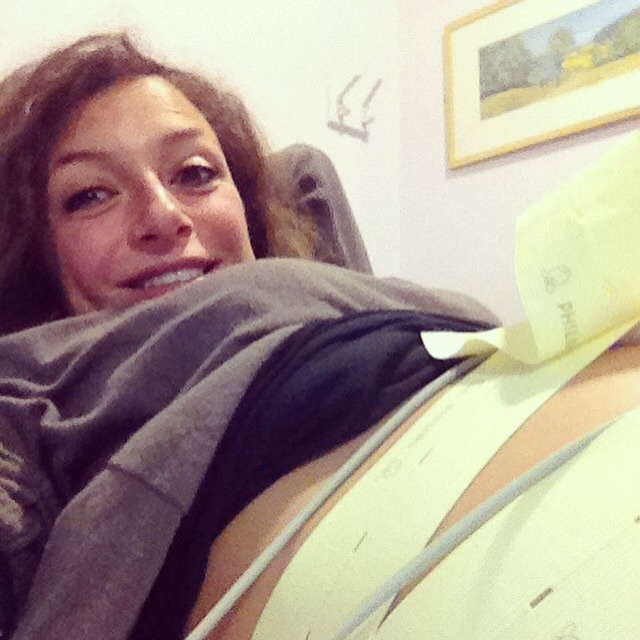
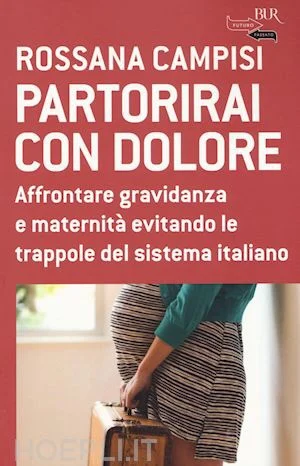
E’ successo anche a me, che da incinta ho odiato tutte le madri che mi raccontavano spontaneamente i loro parti horror. Ho raccontato il mio parto ad una sconosciuta che – che io sappia – non era incinta, ma si preparava a scrivere un libro, Partorirai con dolore, uscito la scorsa settimana. Rossana Campisi ha raccolto storie di donne che hanno partorito in Italia e all’estero, ha messo insieme dati statistici e gli ha dato volti e nomi, ma soprattutto emozioni. Per poter parlare del parto senza tabu, senza pipponi di retorica e sentimentalismi. Perché ci deve essere una verità oltre ai soliti “è un’esperienza incredibile, totale, mistica”, o “pensavo di morire” o “il dolore si dimentica” (ho sentito anche una madre sostenere di avere avuto un orgasmo da doglie, ma deve essere un’inguaribile ottimista). La verità, per me, è che il parto è imprevedibile, perciò ci si arriva sempre impreparati, e per questo è sempre sorprendente. Tra queste donne sorprese dal parto di cui racconta il libro ci sono anche io, a Londra, partita con un programma un po’ hippie di parto in acqua e finita con un cesareo di emergenza imbottita di droghe; ma c’è anche la mia amica-sorella Rosanna che ha partorito su una delle più piccole isole delle Canarie naturalmente, senza neanche l’epidurale. Per ben due volte (ha sempre avuto più culo di me).

image.jpg

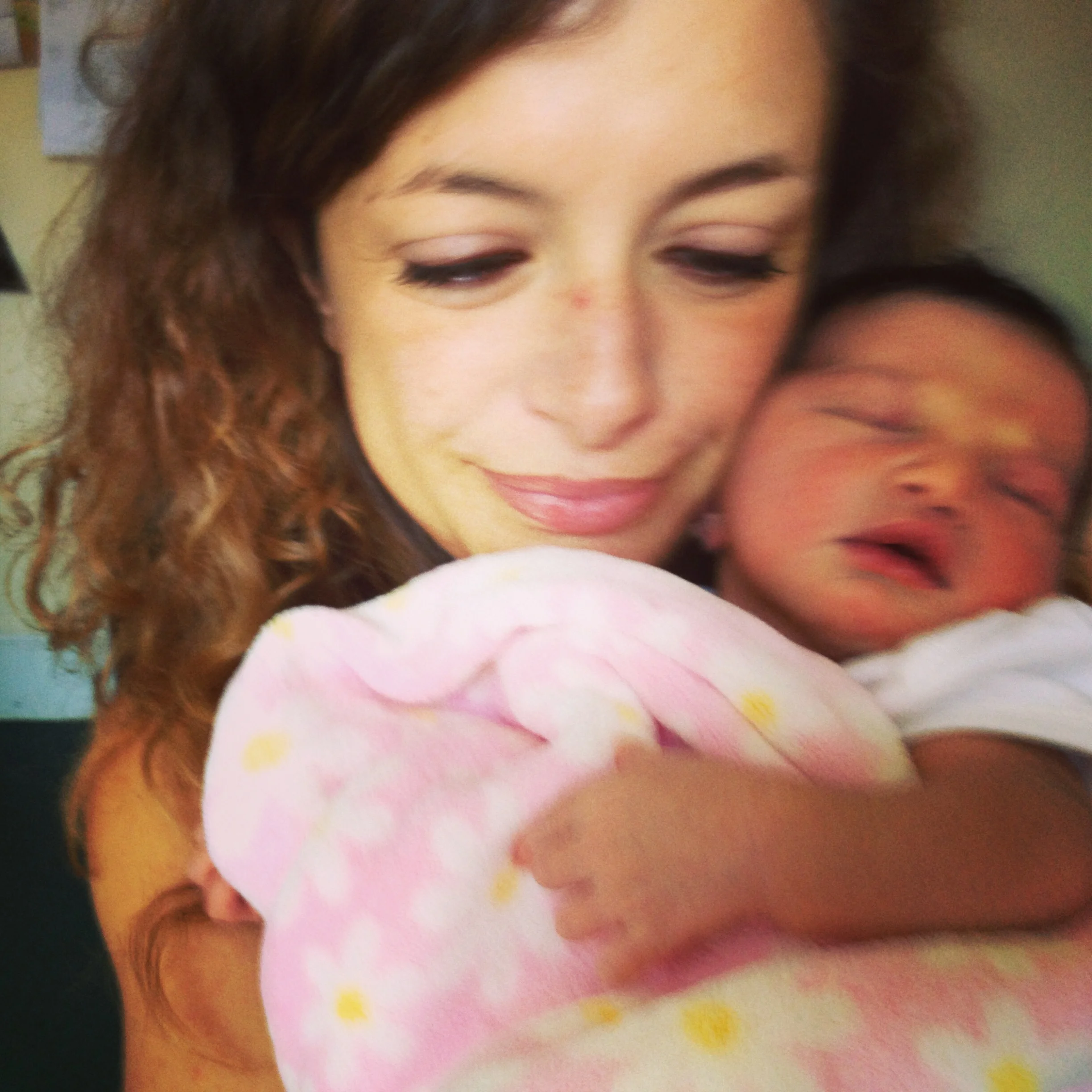
Dopo una gravidanza perfetta in cui non sono mai stata visitata da un ginecologo, assistita dal protocollo non-interventista dell’NHS (il sistema sanitario inglese) e rassicurata da tutti che avrei sparato fuori la pupa a razzo “perché il tuo corpo sa cosa fare”, sono stata in travaglio per QUATTRO giorni. I primi tre ingurgitando paracetamolo e codeina, unico antidolorifico prescritto dall'NHS. Quando sono riuscita a conquistare finalmente un letto d’ospedale – dopo aver dimostrato di essere a 3-4 centimetri di dilatazione – ho provato la piscina, ma alla fine mi è toccata la morfina, il gas&air e l’epidurale, concludendo comunque con un cesareo di emergenza in anestesia totale. Per nove mesi mi ero immaginata tutta un’altra storia. Io nella piscinetta dell’ospedale con All this and heaven too a tutto volume, mano nella mano al mio compagno, due spinte e tac, ho tra le braccia la mia bimba, io piango, lui piange, bacio. Invece il mio corpo, evidentemente, non sapeva cosa fare. E in sala operatoria non c’ero né io né il papà ad aspettare Mia. Non c’era musica né acqua a rendere il passaggio più dolce. Per fortuna, però, c’erano le persone giuste a prendersi cura di lei. Questo ho raccontato a Rossana. E che non credo che un cesareo mi renda meno madre della mia amica Rosanna che ha avuto un parto naturale. Né credo che chi fa l’epidurale sia meno madre di chi sceglie di soffrire fino alla fine. Tanto fa male lo stesso, se vogliamo davvero misurare la maternità col dolore. Invece io a quel dolore preferisco dare il significato che mi hanno insegnato a un corso pre parto: “pain is gain”, il dolore è una conquista. Perché più dolore senti, più sei vicino al momento in cui conoscerai tuo figlio. E’ per questo, forse, che tante madri vogliono raccontare quel dolore anche a chi non lo vuole sentire. Per condividere una delle esperienze più potenti della loro vita, che le ha ribaltate e fatto perdere il controllo del loro corpo, ma che ha soprattutto messo fine all’attesa di un grande amore. E allora non giudicatele male, sopportatele. Anche perché presto potreste essere voi a terrorizzare altre future madri._TIW

Why we need to tell future mums that it (bloody) hurts

image.jpg

There is only one thing worse than mothers that terrorise future mums by telling them their horror stories on giving birth; future mums that will do exactly the same as soon as they give birth, terrorising the next round of mums.
It happened to me too. When pregnant, I hated all the women that told me their scary stories without being asked. Then I told my story to a stranger that wasn’t pregnant as far as I know, but that was about to write a book, With pain you will give birth. Rossana Campisi has collected data and associated emotions, faces and names of real women to them. She wanted to talk about motherhood and birth without the usual taboos, without being rhetorical and sentimental. Because there must be a truth beyond the “oh it was an incredible experience, utter, mystical” or “I though I was gonna die!” or “pain? What pain, you forget the pain” (I’ve even heard a woman saying that she had an orgasm while in labor, but she must be an incurable optimistic). The truth, I believe, is that giving birth is unpredictable, that’s why you cannot be prepared, and that is why it is so astonishing.
Among these women astonished by giving birth there is me, in London, with my hippie plan of water birth that ended up with an emergency c-section and me stuffed full of drugs; but there is also my friend-sister Rosanna that has given birth naturally on one of the smallest islands of the Canaries, without an epidural. Twice (she’s always been luckier than me).

After a perfect pregnancy without needing gynaecologist a single time, assisted by the non-interventionist NHS protocol and reassured by everyone that I would have pushed the baby out with a few pushes "because your body knows what to do", I was in labor for FOUR days. The first three swallowing paracetamol and codeine, the only painkiller prescribed by the NHS. When I finally managed to win a hospital bed - after proving to be 3-4 centimeters dilated - I stayed in the pool, but in the end I had to take morphine, gas & air and an epidural, and nothing stopped me from having an emergency caesarean under general anaesthetic. For nine months I had imagined a complete different story. I had imagined myself in a pool with All this and heaven too playing loud in the background, hand in hand with my partner, two pushes and tac! I have my baby in my arms, I cry, he cries, we kiss. But my body, obviously, did not know what to do. And neither her dad or I were in the operating room waiting for Mia when she came out. There was no music and no water to make the transition smoother. Fortunately, though, there were the right people to take care of her. This is what I told Rossella. And that I don’t believe a cesarean has made me less of a mother than my friend Rosanna that had a natural birth. Nor do I believe that anyone who gets an epidural is less of a mother than those who chooses to suffer until the end. It hurts anyway, if we really want to measure maternity with pain. Instead I prefer to give that pain the meaning that I was taught in an antenatal class: “pain is gain”. Because the more pain you feel, the closer you are to the time when you will meet your child. That’s why, maybe, mothers want to tell their pain stories to those who don’t want to hear them. To share one of the most powerful experiences of their lives, that has turned them upside down and made them lose control of their bodies, but that has also ended the waiting for a great love. So please don’t judge them, forgive them. Because soon it might be your turn to terrorise other mothers._TIW


July 14, 2015 /Daria Simeone
parto, c-section, antenatal class, canarie, incinta, labor, rossana campisi, gravidanza, london, travaglio, pain, londra, maternità, cesareo, birth, nhs, motherhood, pregnancy, partorirai con dolore, dolore
4 Comments


  • Newer
  • Older

Subscribe by Email